
Booking a private hire vehicle on a rainy Friday night, sharing a Paris-Lyon ride with three others for twenty euros each, hopping on a regional train with a monthly pass, or renting a city car for a weekend: this section covers the five main types of shared mobility that replace a personal car for daily use, from the daily commute to an occasional road trip.
The choice isn’t about the highest-rated app, but about the distance of the journey, how often you make it, and the unexpected delays you might face.
- Under 15 km in the city, private hire, shared bikes or e-scooters almost always beat a personal car for journey time and parking stress.
- For a regular commute over 30 km, recurring carpooling and a regional train season ticket are structurally cheaper than owning a car year-round.
- For a one-off need (moving house, a road trip, a weekend in the mountains), short-term rental or peer-to-peer carsharing avoids tying up capital in a vehicle that only gets used three weeks a year.
Private hire and taxis: the go-to for rain, evenings and airports
A private hire vehicle can be booked in three clicks when it’s pouring with rain or the last tube has just left. Dynamic pricing pushes up the cost at peak times, whereas a taxi charges the official meter rate for the whole journey, with no surprises on the final bill.

The Private Hire & Taxis section breaks down the price differences between Uber, Bolt and licensed taxis depending on the time and city, and why a taxi driver might sometimes charge less than a premium private hire vehicle on a long journey. A simple rule of thumb: under 5 km, a street-hail taxi often beats a pre-booked private hire on final price. Over 20 km or to an airport, a private hire’s fixed fare avoids the nasty surprises of a meter ticking over in traffic.
Private hire drivers must hold a professional licence and pass an exam, unlike some less regulated ride-hailing platforms abroad. This regulation mainly explains why the real difference between two rides comes down to the price shown at booking, rather than the quality of the car. Cancelling a ride within minutes of confirmation can also cost more than expected depending on the platform—a detail few users check before urgently confirming a booking.
Carpooling: the maths changes with three in the car
Carpooling a 40 km commute split three ways transforms the budget compared to driving alone: each passenger pays a fraction of the fuel and toll (péage) costs, and the driver effectively travels for free over the month. The same principle applies whether it’s a Paris-Lyon trip on BlaBlaCar or a short-distance regional carpooling platform, often subsidised by local authorities to serve poorly connected areas.

The carpooling section compares the real cost per kilometre based on distance and passenger numbers, and lists the insurance pitfalls to check before offering a regular journey. On a Friday evening exodus or during a transport strike, spontaneous carpooling absorbs demand that trains can no longer handle.
Short-distance carpooling, designed for 5 to 30 km trips between neighbours or colleagues, targets a different use case from long-distance carpooling for weekends or holidays. The two are booked on separate apps, and mixing them up often leads to searching for a one-off trip where only regular commuters are available.
Trains and public transport: the cheapest option over time
A Navigo pass or regional train season ticket often costs less per month than a city-centre parking space, not counting fuel or insurance. For long distances, an Ouigo ticket booked several weeks in advance can be significantly cheaper than a last-minute standard fare.
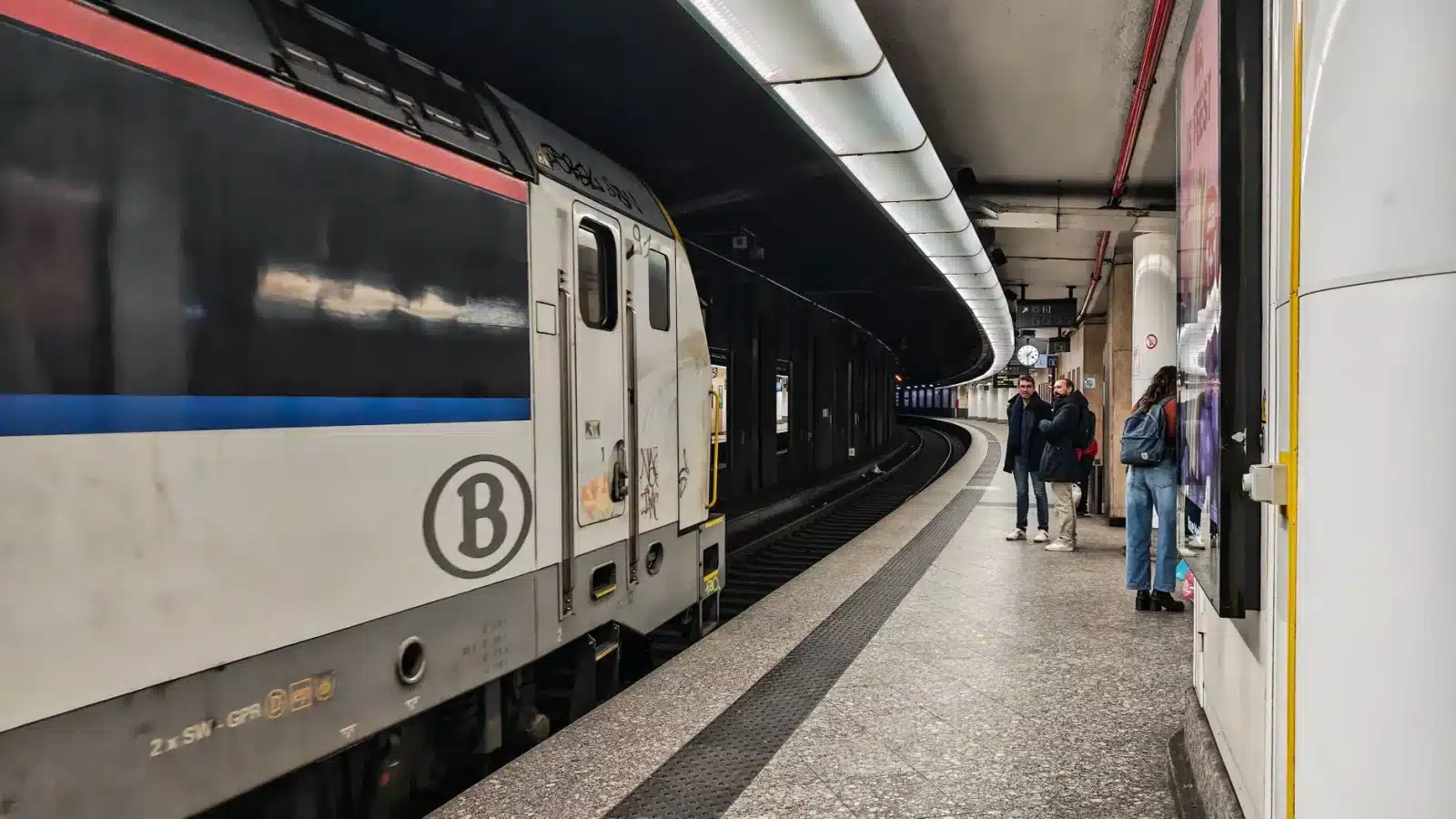
The trains & public transport section details the discount cards worth considering based on age and journey frequency, and how to handle a missed connection without losing the ticket price. For students on a tight budget, combining a youth card with off-peak travel often proves the most economical solution over the year.
Urban public transport—metro, buses, trams—still wins when it comes to reaching a city-centre destination during rush hour: no parking to find, and journey times that remain predictable despite traffic. The real limitation appears in suburban or rural areas, where services can drop to just one bus an hour. Regional transport apps sometimes display TER fares more clearly than the national app, automatically applying local pass discounts.
Short- and long-term rental: for one-off needs
Renting a car for a weekend or several months is cheaper than a car loan when the vehicle is only needed for a few weeks a year. Traditional rental companies like Hertz, Europcar and Sixt differ mainly in their cancellation flexibility and mileage fees.

A road trip abroad adds a frequently overlooked requirement at the rental desk: driving through Switzerland requires purchasing a motorway vignette before crossing the border. It costs €44.50 for the annual vignette valid from 1 December 2025 to 31 January 2027, and covers all motor vehicles, trailers or caravans up to 3.5 tonnes. Forgetting this detail can result in a fine during a roadside check—a point rental companies rarely mention when handing over the keys. The short- & long-term rental section details insurance excesses and the pitfalls of the return inspection.
For several months’ use, long-term rental with no deposit or multi-year commitment appeals to those who move frequently—students on work placements or young professionals on fixed-term contracts. The monthly rate includes maintenance and insurance, simplifying the budget compared to a purchase where these costs come on top of a loan.
Carsharing and peer-to-peer rental: a car without owning one
Free-floating carsharing services like Zity or Citiz charge by the minute or hour for occasional urban trips, with no maintenance or fixed parking space to worry about. Peer-to-peer rental via Getaround or OuiCar is more suited to a full day or weekend, often at a lower price than a traditional rental company for a similar model.
The carsharing & peer-to-peer rental section compares minute, hourly and daily rates, and explains how the owner’s insurance works when a private individual lends their vehicle. For occasional use under 3,000 km a year, carsharing is structurally cheaper than a second car in the household. The owner’s personal insurance typically switches to a professional policy provided by the platform during the rental, protecting both owner and renter in case of an accident.
Choosing the right transport based on the journey—not the app
The right question is never “which app should I download” but “how often will I make this journey in a month”. A one-off, unexpected trip—an emergency or a missed last train—justifies a private hire or taxi despite the cost. A journey repeated several times a week justifies a train season ticket or regular carpooling, where savings build up over time.
- Frequency of the journey: one-off, weekly or daily
- Distance and proximity of a station or stop
- Luggage or equipment to transport
- Flexibility in case of delays or unexpected events
- Actual monthly transport budget
The weather also influences the decision from one week to the next. A rainy winter pushes people towards private hire or shared cars to avoid arriving soaked at the office, while a dry spring brings out bikes or walking to the carpool meeting point. Combining different modes of transport on the same journey—a carpool to the station followed by a train, or a shared bike at the end of a metro line—further reduces the cost compared to a single end-to-end solution. This intermodality simply requires adding a safety margin between each connection.
A one-off need spanning several days—moving house, a holiday or a test drive before buying—points more towards short-term rental or carsharing, without tying up capital in a vehicle that sits parked the rest of the time.
Why shared mobility is growing in France
The number of regular users of carpooling, carsharing and shared bikes is rising every year in France, driven by the increasing cost of car ownership and local policies that restrict private vehicles in city centres. Several major cities now subsidise carpooling subscriptions or carsharing to reduce the number of cars on the road, with a stated goal of cutting emissions from commuter journeys.
The trend extends to suburban areas where carpooling fills the gap left by infrequent bus services. Some local councils even cover part of the carpooling cost to encourage uptake—an incentive still unknown to many drivers who continue to travel alone for lack of information.
Does the private car still have a future against these alternatives?
Owning a car still makes sense for those who cover more than 15,000 km a year or live far from any public transport links. Below that threshold, combining occasional private hire, regular carpooling and one-off rentals often costs less than a car loan, insurance and an annual MOT (contrôle technique).
The shift doesn’t happen overnight: most households keep a car but reduce its use to the bare essentials, mainly for journeys that nothing else can cover—a weekend in the countryside or an unexpected work trip.
Common mistakes when combining multiple shared mobility options
Combining a carpooling subscription, a carsharing card and a private hire app multiplies the billing points—and the risk of forgetting to cancel. Checking for overlapping insurance is one of the most frequent pitfalls: a private individual’s car insurance when lending their vehicle via peer-to-peer rental doesn’t always offer the same cover as a standard carsharing subscription.
Another common mistake: booking a carpool and a train ticket for the same time slot with no buffer, where a simple road delay can mean missing the connection. Always allowing twenty to thirty minutes between two different shared mobility options avoids this kind of mishap.