Used Motorhome Buyer’s Guide 2026: Prices, Tips and Pitfalls to Avoid
In 2026, a used motorhome will set you back between €10,000 and €80,000. For a 400 km weekend trip with a bike rack in tow, the condition of the engine and brakes is critical. Here’s how to assess a realistic budget, spot the most common pitfalls and secure your purchase—whether you buy from a private seller or a dealer.
What budget should you plan for a used motorhome in 2026?
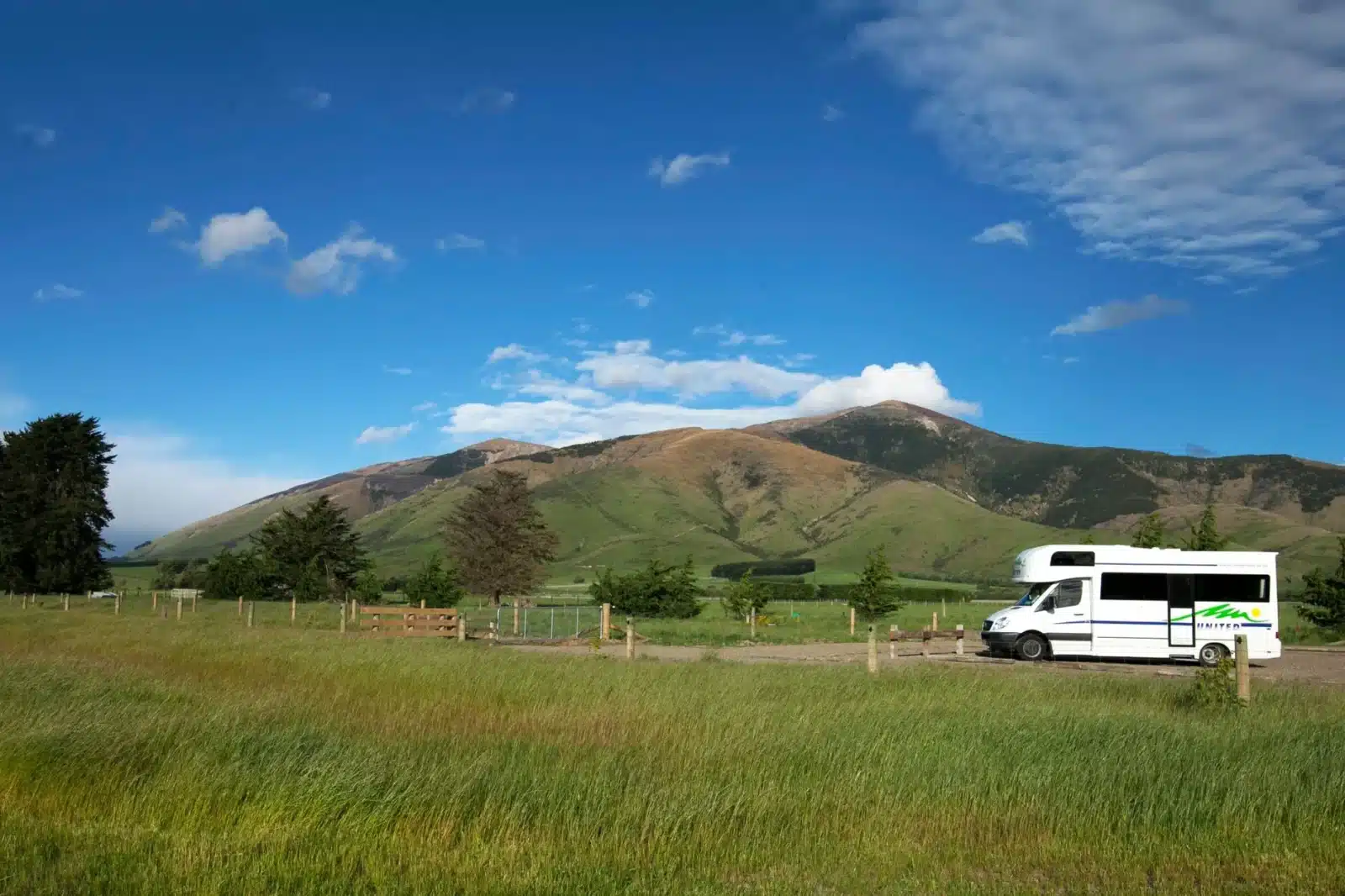
A model from the 2010s with 100,000 km on the clock typically sells for around €25,000. A more recent vehicle (2020–2023) with under 50,000 km often exceeds €50,000. Camper vans, being more compact, start at around €15,000.
Three factors drive up the cost:
- Age: depreciation of 15–20% per year in the first three years.
- Mileage: beyond 80,000 km, the risk of mechanical breakdown increases.
- Equipment: gas heating or solar panels add €3,000 to €8,000 to the price.
For a first purchase, a budget of €20,000 to €35,000 will get you a reliable model. For example, a low-profile motorhome from 2015–2018 with under 70,000 km. To compare different body types, check out our guide on low-profile, integrated or over-cab motorhomes.
5 key checks before buying
A used motorhome often hides flaws that aren’t immediately obvious. Here’s what to inspect:
1. Waterproofing and insulation
A water leak can lead to mould. Check the seals around windows and the roof. Tap the walls—if they sound hollow, the insulation may have come away. In winter, poor insulation means higher gas consumption.
2. Engine and gearbox
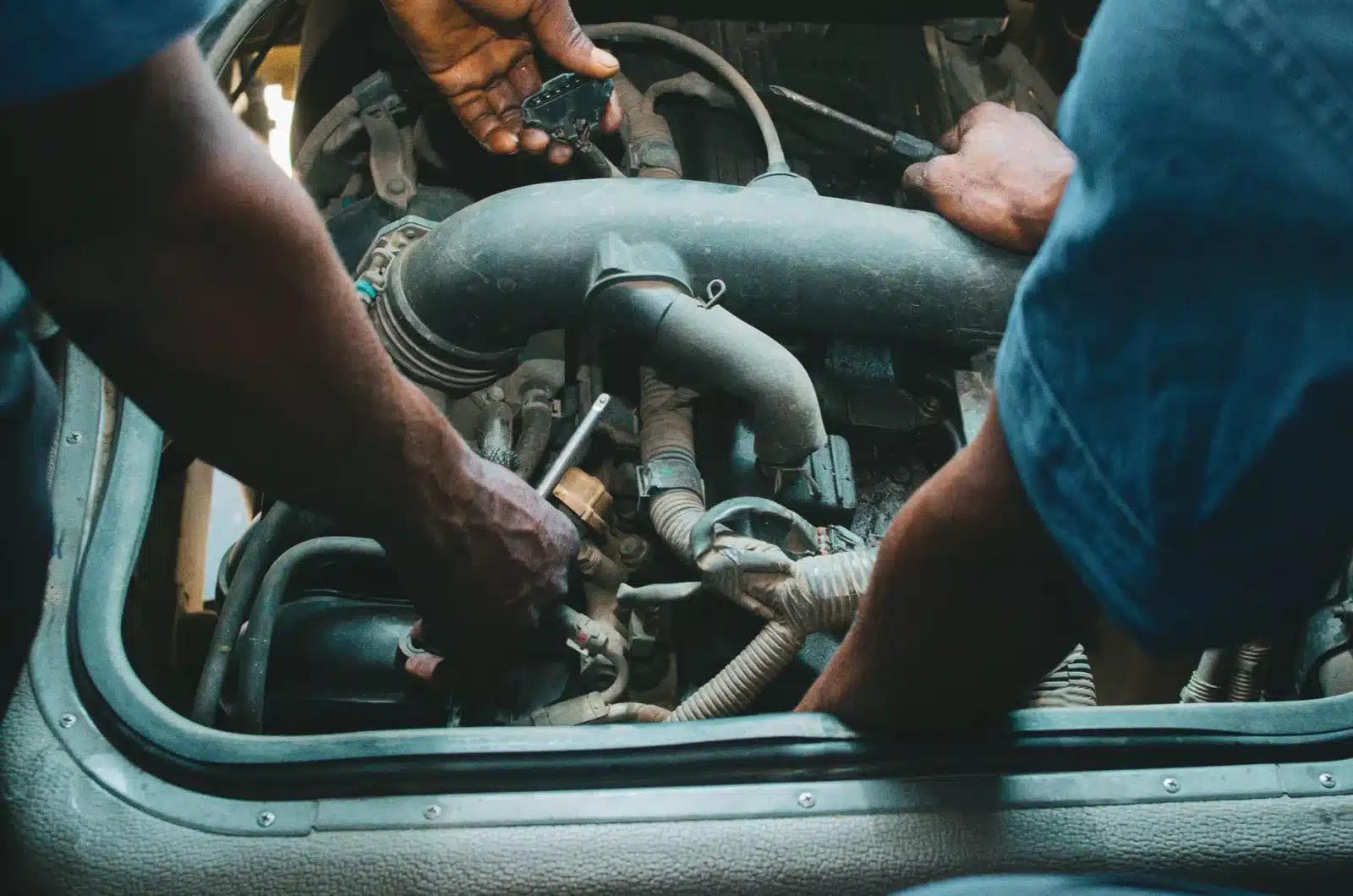
A 30-minute test drive is essential. Listen for unusual noises and test the acceleration. A crunchy gearbox or slipping clutch are signs of advanced wear. For a vehicle with over 100,000 km, budget €1,500 to €3,000 for maintenance.
3. Brakes and tyres
Worn brakes or bald tyres turn a journey into a hazard. Check the thickness of the brake pads and the tread depth. The legal minimum is 1.6 mm, but 3 mm is recommended for safety. A new set of tyres costs between €600 and €1,200.
4. Electronics and equipment
Test all the equipment: heating, fridge and lights. Electrical problems can be expensive to fix. Also check the condition of the auxiliary battery—essential for off-grid nights.
5. History and paperwork
Ask for the service log, repair invoices and a history report like HistoVec. Also check for any outstanding finance via the ANTS website. Tampered mileage can void the sale or reduce the price.
Insurance and regulations: what you need to know
Insuring a used motorhome costs between €200 and €600 a year. For a €30,000 model, expect to pay around €30 a month for comprehensive cover. Also check whether accessories like a bike rack or bikes are included in the policy.
When it comes to regulations, a motorhome can park anywhere a car is allowed. However, camping on public roads is prohibited. For vehicles over 3,500 kg, a category C licence is required—unless you passed your test before 1975 (code B79). To tow a bike rack or car trailer over 750 kg without exceeding 4,250 kg for the combined weight, the B96 code is sufficient—no need to retake your test. For more on this, see our article on category B licences and motorhome weights.
Buying from a private seller vs a dealer: the real differences
The asking price is only part of the story. A private seller will usually offer a lower price, but with no legal warranty beyond the statutory protection against hidden defects. You get the vehicle as-is, with any undisclosed faults, and any later claim means proving the defect existed at the time of sale.
A dealer (or specialist broker) charges more but often includes a commercial warranty of several months, a recent MOT (contrôle technique) and sometimes a full service before handing over the keys. This warranty typically covers the mechanics and essential equipment (heating, fridge, electrics), but rarely the waterproofing of the living area—which remains your responsibility to check before signing, regardless of the seller.
In both cases, the vehicle transfer declaration (déclaration de cession) is a mandatory step in the transaction—separate from price negotiations. It transfers administrative responsibility for the motorhome to the new owner and must be completed without delay after signing.
Financing your purchase: common options
Beyond paying in cash, two options are most common among used motorhome buyers. A dedicated loan (crédit affecté) finances only the specific vehicle named in the contract: funds are paid directly to the seller, which reassures both parties but means finalising your choice before applying for finance.
Lease purchase (LOA) is more common for new vehicles than recent used ones. It lets you drive the motorhome for set monthly payments, then decide whether to buy it at the end of the contract. Before committing, compare the total cost of the loan (including interest) with the cash price, and check that the borrower’s insurance isn’t automatically more expensive than an equivalent policy elsewhere.
Where to buy and how to negotiate
Platforms like Annonces Caravaning or Libertium list thousands of ads. To negotiate, target visible flaws like scratches or worn seats. A seller in a hurry may drop the price by 5–10% if you offer quick payment.
Before travelling to view a vehicle, always ask for recent photos of the interior, the underside of the chassis and the mileage display, plus a copy of the latest MOT (contrôle technique). A seller who refuses to provide these before a visit—or who rushes the sale without allowing a full test drive—should raise suspicions.
For a stress-free purchase, also see our complete guide to buying a motorhome and our depreciation comparison for new motorhomes.