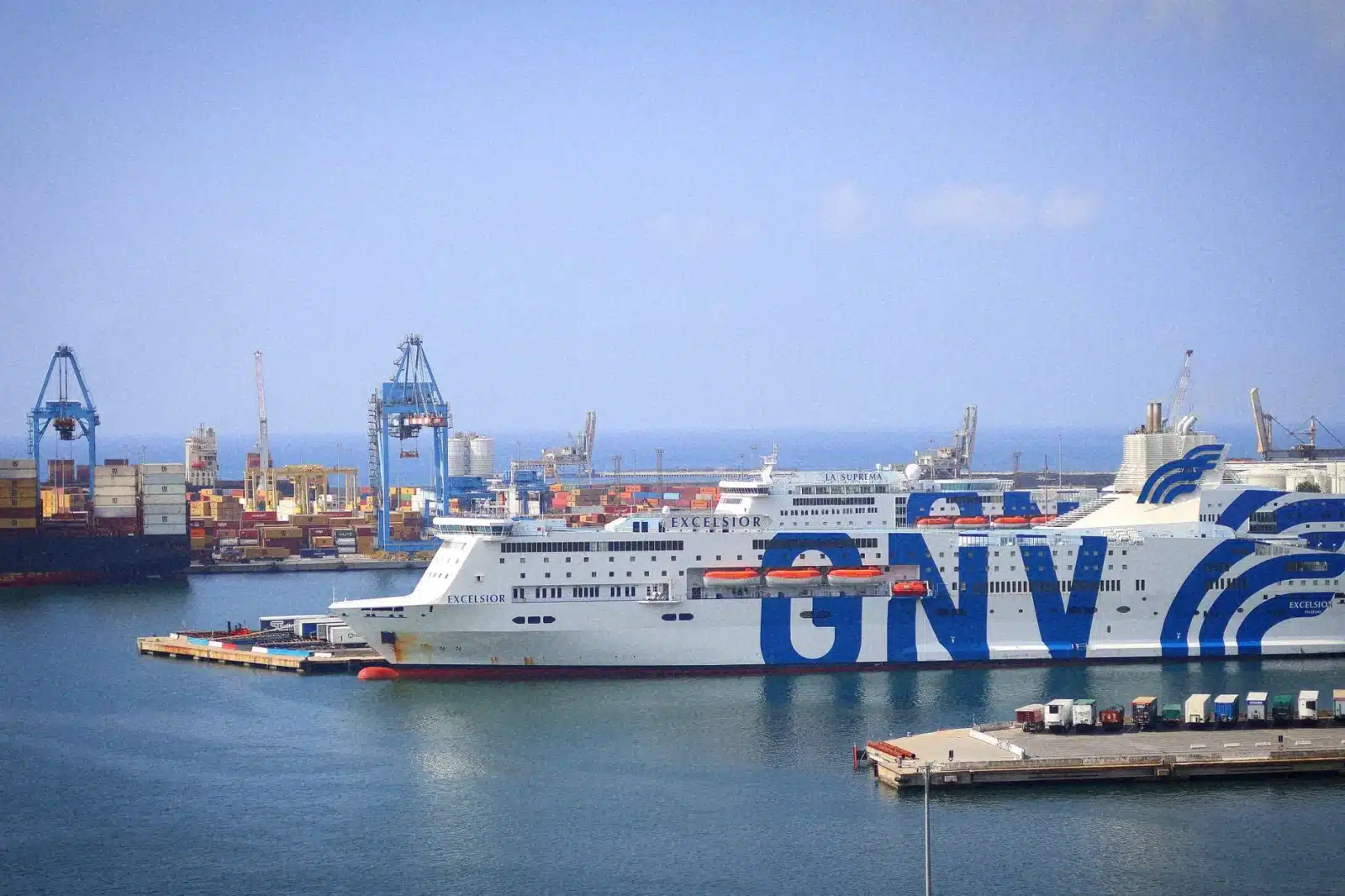
A weekend in a camper van heading to the Cévennes, or a work trip in a van between Lyon and Marseille: the distinctive smell of LPG at the pump, the sound of a CNG compressor in the city, or the futuristic hiss of a hydrogen station… These alternatives to petrol and diesel promise savings, but each comes with its own constraints. Where can you fill up? What’s the real price at the pump? And most importantly, which fuel suits your needs? Here’s a breakdown, complete with a station map and 2026 data.
LPG: the most accessible alternative fuel in France
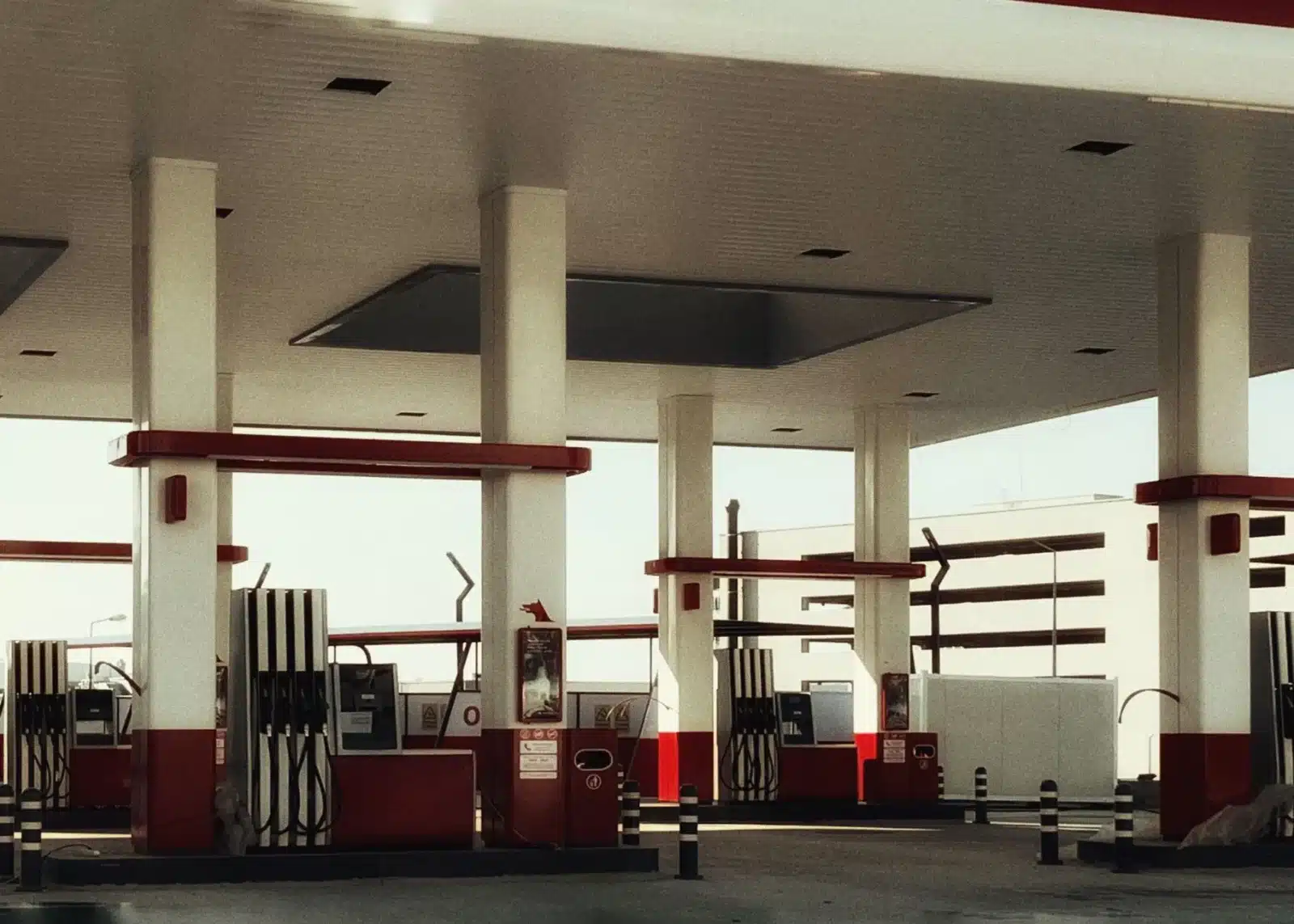
LPG (Liquefied Petroleum Gas) remains the most widespread alternative fuel in France, with a growing network of stations. For a driver covering 15,000 km a year, LPG can save up to €500 compared to petrol, thanks to an average price ranging between €0.95 and €1.08 per litre in 2026. However, not all vehicles are compatible. Factory-fitted LPG models (like the Dacia Sandero or Renault Clio IV) are designed for this fuel, while others require a costly conversion (between €1,500 and €3,000).
The LPG tank takes up boot space, and its contrôle technique (MOT test) has been stricter since 2024: make sure to check the tank’s expiry date (maximum 10 years) to avoid a retest. Despite these constraints, LPG appeals for its lower carbon footprint compared to petrol and its expanding network of stations, particularly in southern France. For example, a Toulouse-Marseille trip on LPG will cost around €20 less than on petrol, with the added benefit of stations spaced less than 50 km apart on the motorway.
Where to find an LPG station in France
Our interactive map of LPG stations lists over 1,800 distribution points in 2026. The best-covered regions? Provence-Alpes-Côte d’Azur, Occitanie, and Nouvelle-Aquitaine, where stations are less than 50 km apart on main routes. In contrast, Brittany and Normandy remain LPG deserts: fill up before you leave, or opt for a dual-fuel petrol-LPG car to avoid any nasty surprises.
LPG: strengths and limitations
On cost, LPG is unbeatable: with a pump price 30 to 50% cheaper than petrol, it significantly cuts expenses, especially for high-mileage drivers. Environmentally, it emits 15% less CO₂ than petrol and fewer fine particles than diesel. Some new models (like the Dacia Duster LPG) are already compatible, avoiding conversion costs.
But LPG has its drawbacks: the tank takes up boot space (expect 40 to 60 litres less), and the station network remains uneven across regions. Conversion is also expensive (€1,500 to €3,000), and the contrôle technique is stricter (tank inspection every two years). Finally, second-hand buyers are still wary, which can complicate resale.
| Advantages | Disadvantages |
|---|---|
| Pump price 30 to 50% cheaper than petrol | Uneven station network across regions |
| 15% less CO₂ emissions than petrol | LPG tank takes up boot space |
| Compatible with some new models (Dacia, Renault) | High conversion cost for non-factory-fitted vehicles |
| Possible eco-bonus for new LPG vehicles | Stricter contrôle technique (tank inspection every 2 years) |
CNG: the professional solution for van fleets
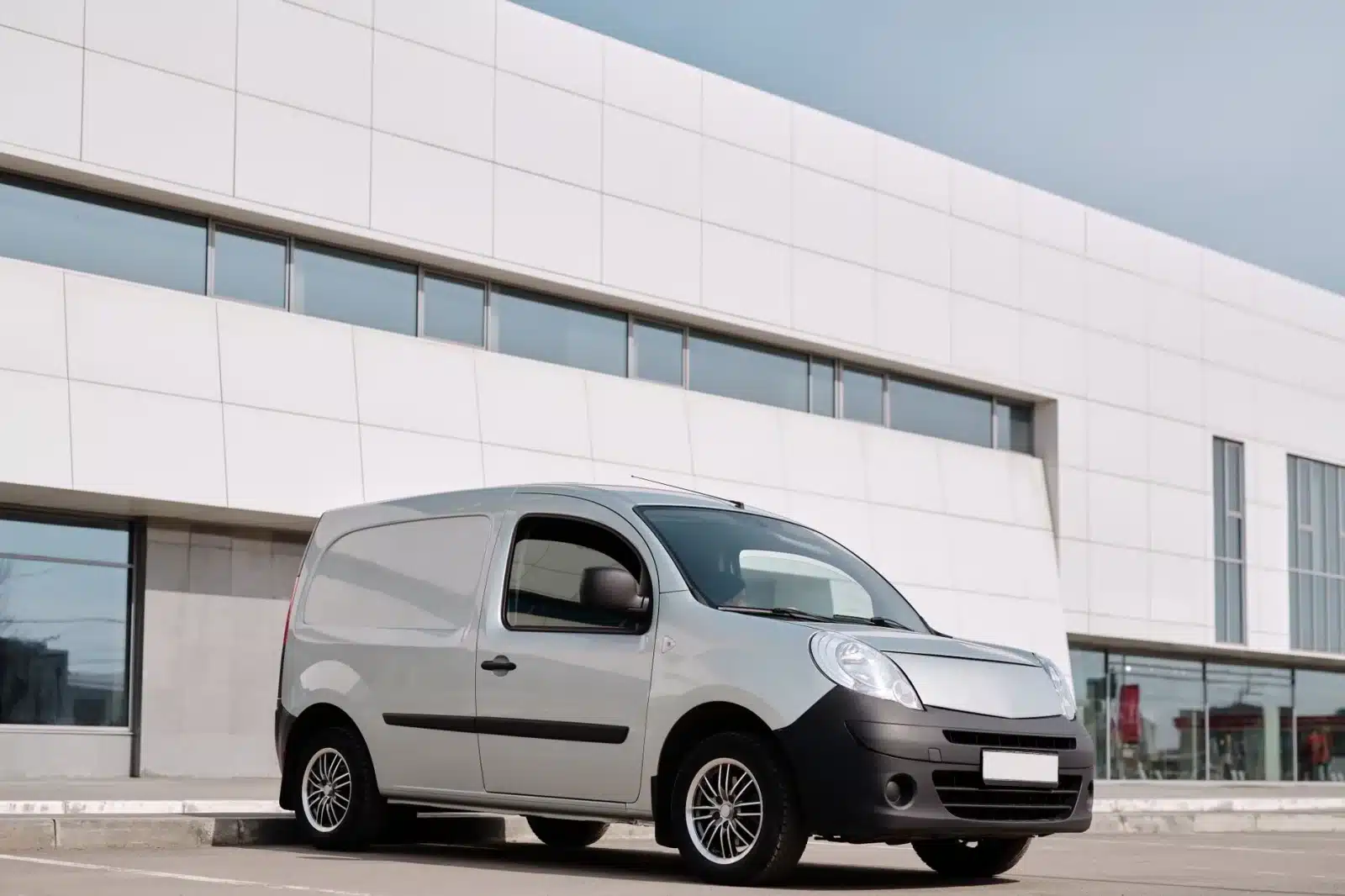
CNG (Compressed Natural Gas) is the alternative fuel of choice for professionals. Primarily used in compressed form (CNG), it powers lorry, bus, and light van fleets. Its main advantage? A lower cost per kilometre than diesel, with an average price of €1.20/kg (equivalent to around €0.80 per litre of petrol). For a business covering 50,000 km a year with five vans, the savings can reach €3,000 per vehicle annually, not counting public subsidies for fleets.
CNG also appeals for its environmental credentials: 25% less CO₂ emissions than diesel and up to 95% fewer fine particles. In cities, the quieter CNG engines are an added bonus for night-time deliveries. However, uptake is still hampered by the lack of public-access stations: in 2026, only 250 CNG stations are open in France, mainly in large urban areas and on logistics routes. CNG vehicles are also more expensive to buy: expect €30,000 for a new light van, compared to €25,000 for its diesel equivalent.
CNG: who is it for and what’s it used for?
CNG is ideal for business fleets, urban and peri-urban journeys, or professionals looking to reduce their carbon footprint without switching to electric. For example, a Lyon-based delivery company cut its fuel costs by 20% by switching to CNG, while also improving its green credentials.
However, CNG isn’t suited to long rural trips (limited station network), tight budgets (15 to 20% more expensive than diesel), or second-hand buyers (the market is almost non-existent).
Hydrogen: the future… but not just yet
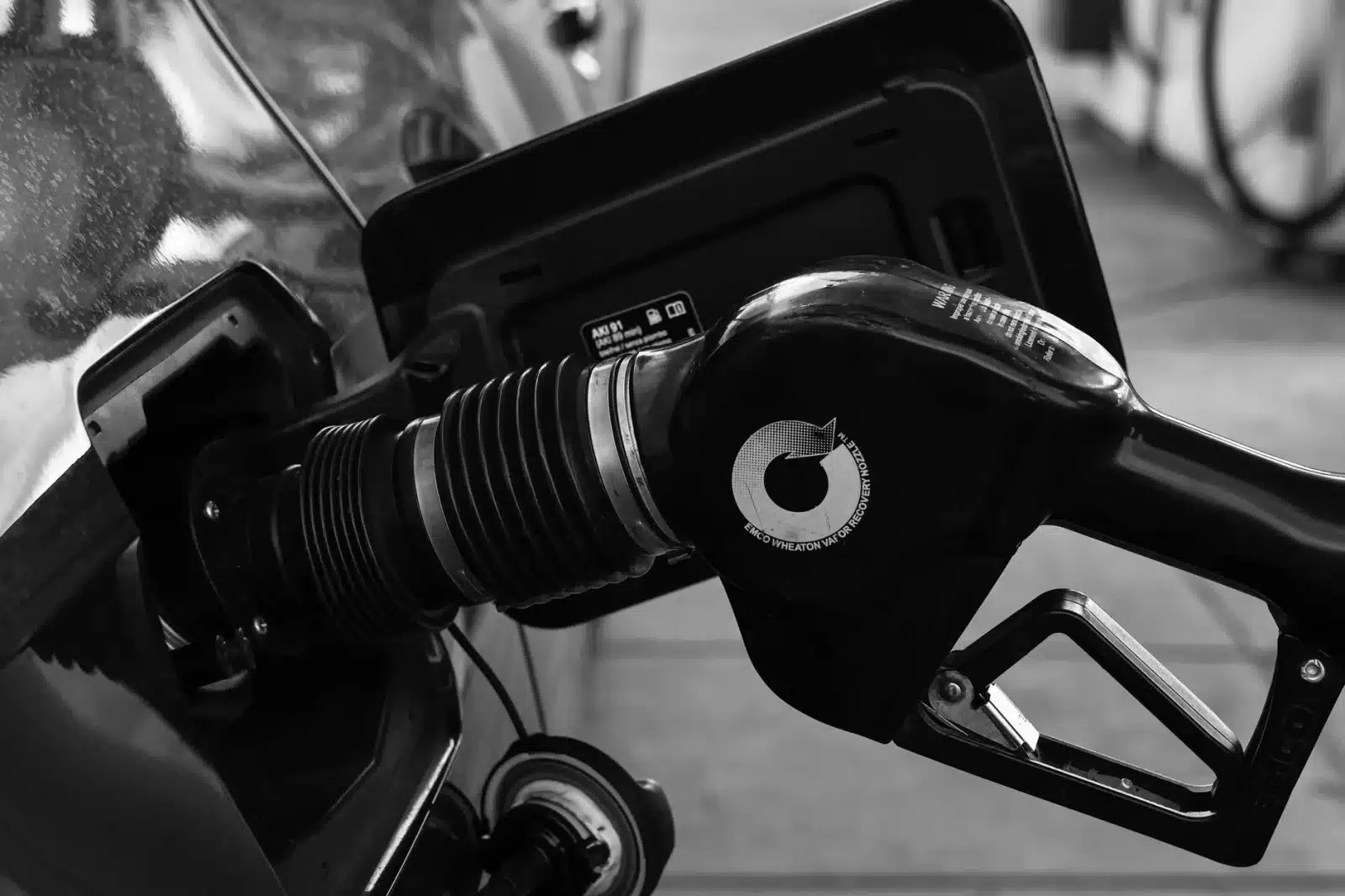
Hydrogen is the stuff of dreams: a car that refuels in five minutes and only emits water. In 2026, a handful of models are available in France, like the Toyota Mirai or Hyundai Nexo, with prices ranging from €72,000 to €120,000. But behind this promise lie some less rosy realities: only 50 hydrogen stations in France, concentrated in Île-de-France, Auvergne-Rhône-Alpes, and Occitanie. For a camper van road trip, hydrogen remains a risky bet, with stations over 200 km apart in some regions.
The cost of hydrogen at the pump (around €10/kg, equivalent to €7-8 per 100 km) puts it between petrol and diesel in terms of budget. Its main advantage? A range of 500 to 600 km, ideal for long trips. But with such a limited station network, hydrogen remains the preserve of early adopters and captive fleets (taxis, buses). For example, a Parisian private-hire driver can use hydrogen without issue, but a private motorist in Brittany will have to look for another solution.
LPG, CNG, hydrogen: the alternative fuels showdown
LPG is the most accessible: with 1,800 stations in France and a pump price between €0.95 and €1.08 per litre, it’s ideal for private motorists who drive a lot. CNG, on the other hand, is aimed at professionals, with a network of 250 stations and a price of €1.20/kg (around €0.80 per litre equivalent petrol). Finally, hydrogen, with just 50 stations and a price of €10/kg, remains a gamble on the future, reserved for captive fleets and early adopters.
Environmentally, LPG cuts CO₂ emissions by 15% compared to petrol, CNG by 25%, and hydrogen (if green) by 100%. On cost, LPG is the cheapest, followed by CNG, then hydrogen. On range, LPG and hydrogen offer 500 to 600 km, compared to 300 to 500 km for CNG.
| Criteria | LPG | CNG | Hydrogen |
|---|---|---|---|
| Pump price (2026) | €0.95-1.08/L | €1.20/kg (≈ €0.80/L petrol equivalent) | €10/kg (≈ €7-8/100 km) |
| Station network (France) | 1,800 stations | 250 stations | 50 stations |
| CO₂ emissions (vs petrol) | -15% | -25% | -100% (if green hydrogen) |
| Average price of a new vehicle | €15,000-25,000 (compatible models) | €30,000-40,000 (vans) | €72,000-120,000 |
| Average range | 400-600 km (dual-fuel) | 300-500 km | 500-600 km |
| Refuelling time | 3-5 min | 5-10 min | 3-5 min |
Which alternative fuel should you choose based on your needs?
The choice between LPG, CNG, and hydrogen depends on your vehicle and journeys. Here’s how to decide:
For a private motorist with a petrol car
LPG is for you if you drive a lot (over 15,000 km a year) and your region has good station coverage. For example, a sales rep covering 30,000 km a year will save around €1,000 annually with an LPG conversion. However, if you drive less (under 10,000 km a year), the savings won’t justify the conversion cost (€1,500 to €3,000). Similarly, if your boot is already small, the LPG tank (40 to 60 litres) will be a real drawback.
For a professional with a van
CNG is the ideal solution for business fleets, urban deliveries, or tradespeople. A bakery delivering to customers in the city will cut its fuel costs by 20% by switching to CNG, while also improving its environmental image. However, if your journeys exceed 300 km a day or you need a second-hand vehicle, CNG isn’t suitable: the station network is still too limited, and the second-hand market is almost non-existent.
For an early adopter or a captive fleet
Hydrogen could be an option if you live in Île-de-France, Auvergne-Rhône-Alpes, or Occitanie and can invest in a high-end vehicle. For example, a Parisian taxi company cut its CO₂ emissions by 100% by switching to hydrogen, while maintaining a 500 km range. But if your budget is tight (vehicles cost between €72,000 and €120,000) or you plan trips outside areas covered by stations, hydrogen isn’t yet a viable solution.
Mistakes to avoid with alternative fuels
Choosing an alternative fuel is a good move. But here are the pitfalls to avoid:
- Ignoring the station network: before you commit, check coverage near you and on your usual routes. Filling up with LPG or hydrogen can quickly become a headache in rural areas, where stations are few and far between.
- Underestimating conversion costs: for LPG, conversion costs between €1,500 and €3,000. If you don’t drive enough, the investment won’t pay off. For example, a motorist covering 10,000 km a year will take six years to recoup a €2,000 conversion.
- Forgetting the contrôle technique: an LPG tank must be checked every two years, and its lifespan is limited to 10 years. Without checks, you risk a retest and a fine.
- Confusing CNG and LPG: CNG is compressed natural gas, reserved for vans and professional fleets. LPG is a propane-butane mix, compatible with some private cars. The two aren’t interchangeable.
- Believing hydrogen is a miracle solution: with only 50 stations in France, hydrogen remains for very specific uses. For private motorists, it’s still a risky bet, especially outside major cities.
LPG, CNG, hydrogen: what’s next?
Alternative fuels are gaining traction, but their future depends on infrastructure development and public policies. In 2026, LPG remains the most accessible, with a growing station network and stable prices. CNG appeals to professionals, but its adoption by the general public is held back by the lack of stations and high vehicle costs. As for hydrogen, its future is being decided now: if stations multiply and prices fall, it could become a credible alternative to electric for long journeys.
For now, hydrogen remains for early adopters and captive fleets. But with the planned phase-out of internal combustion engines by 2035, alternative fuels still have a bright future ahead. In the meantime, LPG and CNG offer practical solutions to cut costs and your carbon footprint—provided you choose the right one for your needs.
To find out more, explore our dedicated articles:
- LPG cars: advantages and disadvantages in 2026
- CNG for professional vans: everything you need to know
- Map of hydrogen stations in France