An electric bike changes everything for your journeys: no more sweat on hills, no more delays due to traffic jams, and a fuel budget slashed by ten. But with city models, cargo bikes, batteries that last (or don’t), and reconditioned bargains, how do you avoid making the wrong choice? This guide steers you towards the right decision, with real comparisons and practical tips that fit your daily life.
We cover budget, range, and pitfalls to avoid—no technical jargon. Because an e-bike is chosen with your legs as much as your head.
City e-bike: comfort and practicality for everyday journeys
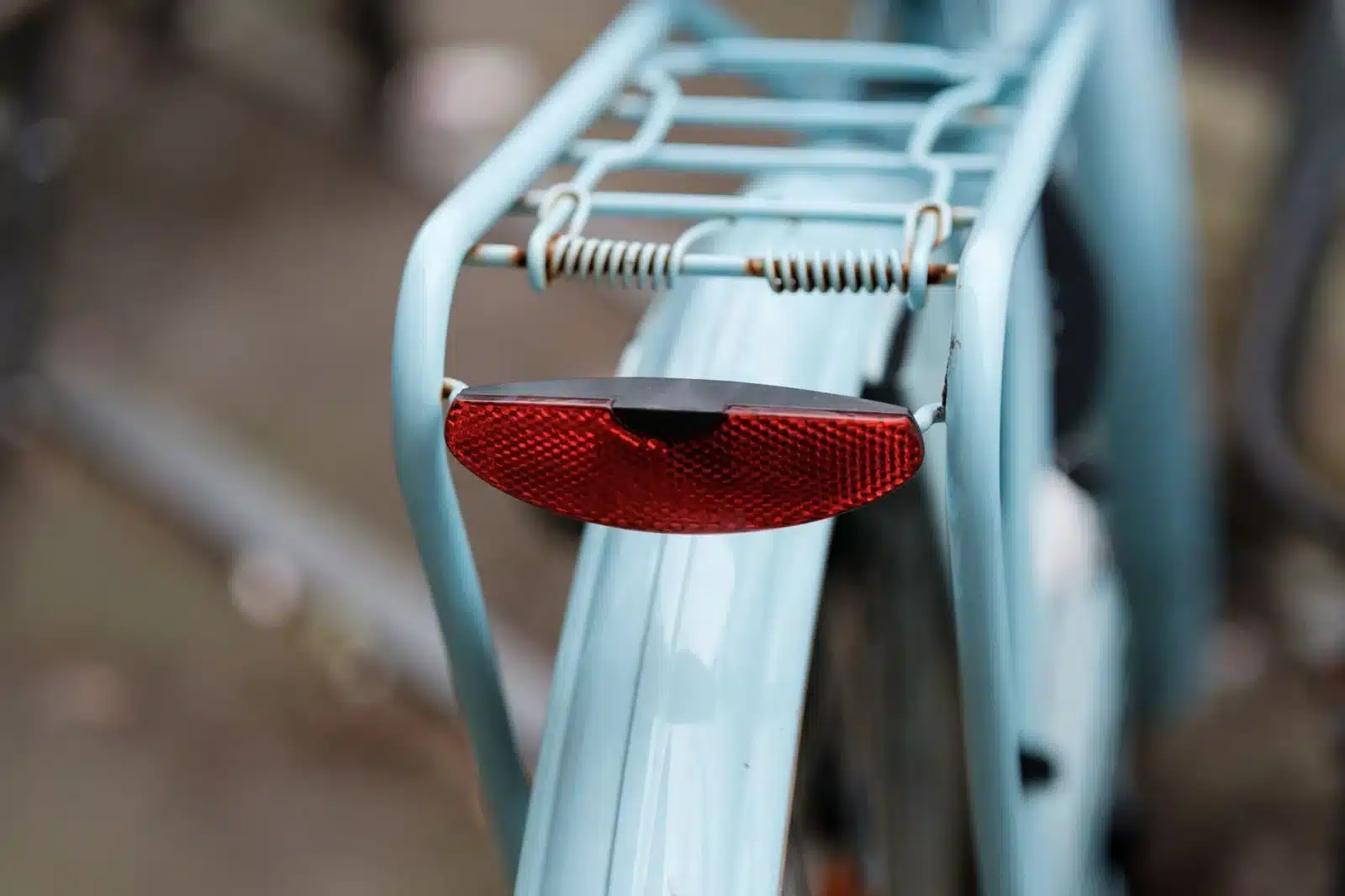
The city e-bike is the perfect companion for commuting or Saturday errands. Designed to cover miles effortlessly, it features an upright riding position, wide tyres to absorb potholes, and a motor often located in the pedal crank for natural assistance. Ideal if you ride on flat terrain or gentle slopes and want to arrive at the office sweat-free.
In our 2026 city e-bike comparison, we put the most comfortable models to the test, focusing on real-world range (not the manufacturer’s claims), weight—25 kg is heavy to carry up stairs—and game-changing features (integrated lighting, sturdy rear rack). The cheapest option isn’t always the smartest in the long run.
Electric cargo bike: the solution for transporting kids, shopping… or both
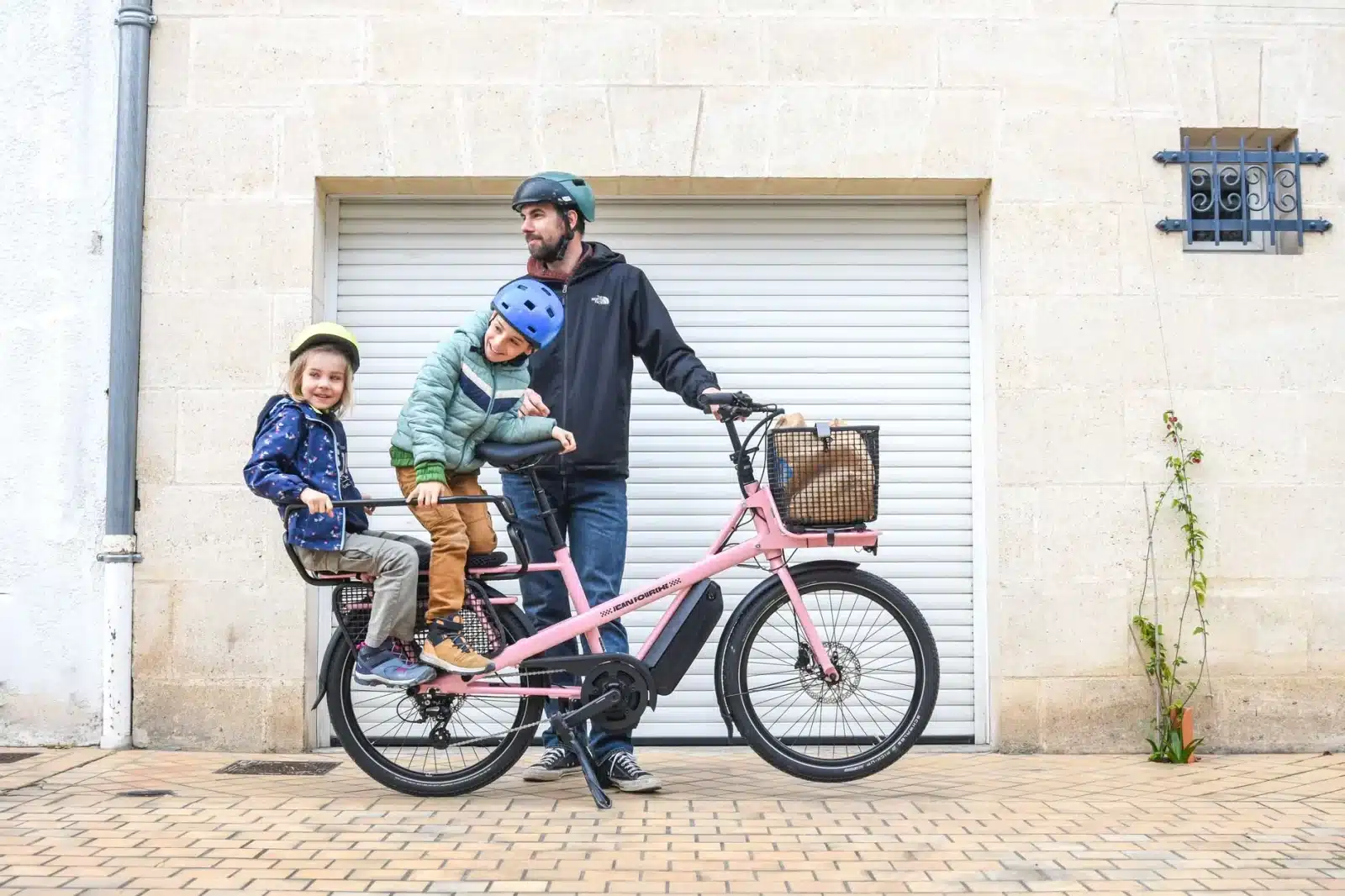
Need to replace the car for family trips? The electric cargo bike is made for that. With a load capacity of up to 100 kg, it can carry two children, a week’s shopping, or even the dog. Longtail versions are more manoeuvrable in town, while trikes offer reassuring stability for little ones.
Our electric cargo bike family guide details the key checks before buying: load platform size, brake type—a loaded cargo bike stops less effectively—range (expect 50–70 km in real-world use with two kids on board), and essential accessories (approved child seat, protective cover). Watch the weight: a cargo e-bike can tip the scales at 40 kg, making parking in a flat tricky.
E-bike battery: how long does it really last?
The battery is the heart of an electric bike. In theory, a lithium-ion battery lasts between 500 and 1,000 charge cycles—about 3 to 5 years with daily use. But in practice, it all depends on how you use it:
- Avoid full discharges: a battery lasts longer if you recharge it regularly, even after just 20 km.
- Beware of heat: leaving your e-bike in full sun in summer or near a radiator in winter speeds up wear.
- Cold reduces range: in winter, a battery can lose 20–30% of its capacity in freezing temperatures.
Our article on e-bike battery lifespan explains how to extend its life, spot signs of wear (sudden drop in range, unusually long charging times), and know when to replace it. A new battery costs between €500 and €900, so it’s worth looking after.
Reconditioned e-bike: a smart buy or a risk?
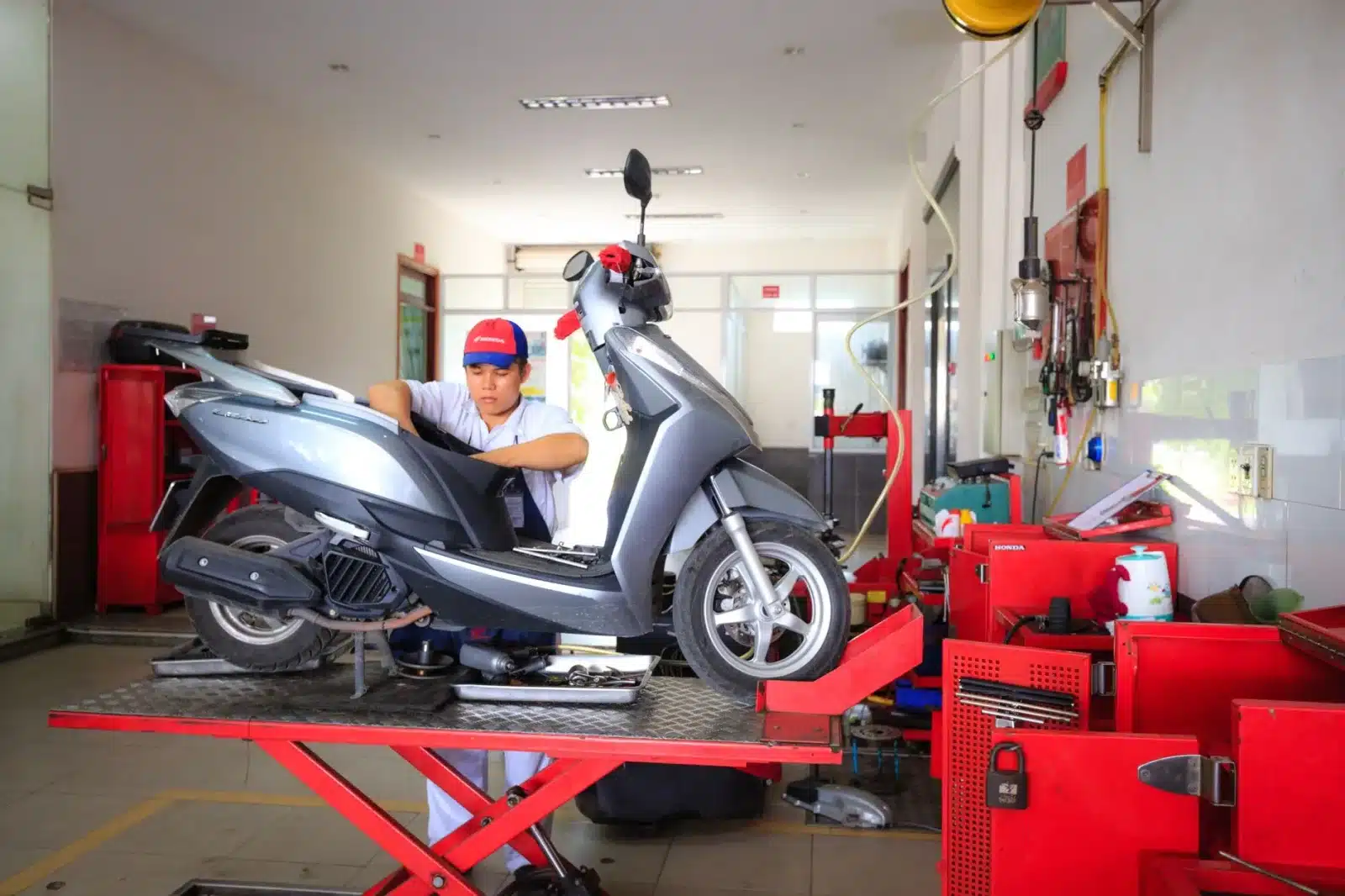
A reconditioned electric bike is a second-hand e-bike checked, repaired, and refurbished by a professional. The advantage? A price 30–50% lower than a new model, with a warranty (often 12–24 months) and the assurance that the battery and motor are in good condition. But beware: not all reconditioners are equal.
\nIn our reconditioned e-bike guide, we help you separate the good deals from the bad. We cover the must-check points (battery condition, tyre and brake wear, bike history), brands that recondition well (and those to avoid), and common pitfalls (like stolen bikes being resold). A good reconditioned e-bike can last for years, but a poor choice means breakdowns guaranteed.
What budget should you plan for an electric bike in 2026?
The price of an e-bike varies widely depending on use and quality. Here’s what to expect:
| Type of e-bike | New price (entry-level) | New price (high-end) | Reconditioned price |
|---|---|---|---|
| City e-bike | €1,500 – €1,800 | €2,500 – €3,500 | €900 – €1,500 |
| Electric cargo bike | €2,500 – €3,500 | €5,000 – €8,000 | €1,800 – €3,000 |
| All-terrain e-bike | €2,000 – €2,500 | €4,000 – €6,000 | €1,200 – €2,500 |
On top of these prices, add essential accessories: a sturdy lock (count on €80–€150 for a quality U-lock), a helmet (mandatory for under-18s, strongly recommended for adults), and possibly a shelter to protect your e-bike from rain and theft. Don’t forget maintenance: an annual service costs between €50 and €100, and tyres need replacing every 3,000–5,000 km.
Mistakes to avoid when buying an electric bike
An electric bike deserves careful consideration, especially if you plan to use it daily. Here are the pitfalls to avoid:
- Relying on price alone: a €1,000 e-bike might seem like a bargain, but if the battery is poor quality or the motor underpowered, you’ll regret it on the first long trip. For daily use, it’s better to invest in a reliable model, even if it’s pricier.
- Skipping the test ride: always test an e-bike before buying. Check the frame size suits you, the assistance kicks in smoothly, and the brakes are effective. If you have to carry it up three flights of stairs, an overly heavy e-bike will quickly become a nightmare.
- Neglecting maintenance: an e-bike needs servicing like a car. Chain lubrication, brake checks, tyre pressure—if you don’t feel up to it, budget for a professional service. A poorly lubricated chain reduces range and causes premature wear.
- Choosing an overly heavy model: e-bikes average 20–25 kg. If you need to carry it regularly, opt for a lighter model or plan for bike storage at ground level. A 30 kg e-bike is heavy to lift, even for two people.
- Ignoring financial aid: in 2026, some cities and regions still offer subsidies for e-bike purchases (up to €500 in some cases). Check before buying, especially if you’re on a tight budget.
How to choose based on your needs
To make the right choice, here’s how to match your e-bike to your daily life:
- Commuting: go for a city e-bike with at least 50 km range, integrated lighting, and a sturdy rear rack. If you ride in the rain, check the brakes are up to the job (hydraulic disc brakes for better performance).
- Student budget: a reconditioned e-bike can be a good option, provided it comes with at least a 12-month warranty. Check the battery and brakes before buying. Avoid models over 5 years old, even at a reduced price.
- Family with children: an electric cargo bike is ideal for transporting kids and shopping. Check the load capacity (at least 80 kg), bike stability (a trike is more stable than a longtail), and accessories like an approved child seat.
- Countryside or hilly terrain: opt for an all-terrain e-bike with at least 80 km range and a powerful motor (500 W minimum). Also check suspension and tyre quality to absorb shocks.
- Tight budget: an entry-level e-bike might suffice for occasional trips, but avoid models under €1,200. Stick with brands known for reliability (e.g. Decathlon, Moustache, Cube).
Our best e-bikes of 2026 guide reviews models that stand out on these criteria, with real-world tests and user feedback. Because an electric bike is chosen with your head—and your legs.