Motorhome Winterisation: The Essential On-Site Checklist
Winter is coming. With it, the risk of frost, mould, and flat batteries. For a motorhome stored until spring, a precise checklist helps avoid nasty surprises. From cracked tanks to damaged seals, here are the 12 steps to follow—in order—to protect your vehicle. Our comprehensive maintenance guide covers each point in detail for safe winterisation in France.
1. Drain all water systems without exception
This is the most critical step. A single drop of residual water can freeze and crack a tank or pipe. Open the water heater’s drain valve—often located under the vehicle, identifiable by a red or yellow cap. Let the water flow until not a drop remains.
Don’t forget the grey water. Flip the drain lever on the tank under the chassis. Let it empty until the pipe is dry. Finally, open all taps (hot and cold) and run the water pump for 10 seconds. This purges the pipes. A low-pressure compressor (max 2 bar) can clear the last drops. Avoid: leaving even a small amount of water in the tanks, no matter how little.
2. Cut the power supply and isolate the battery
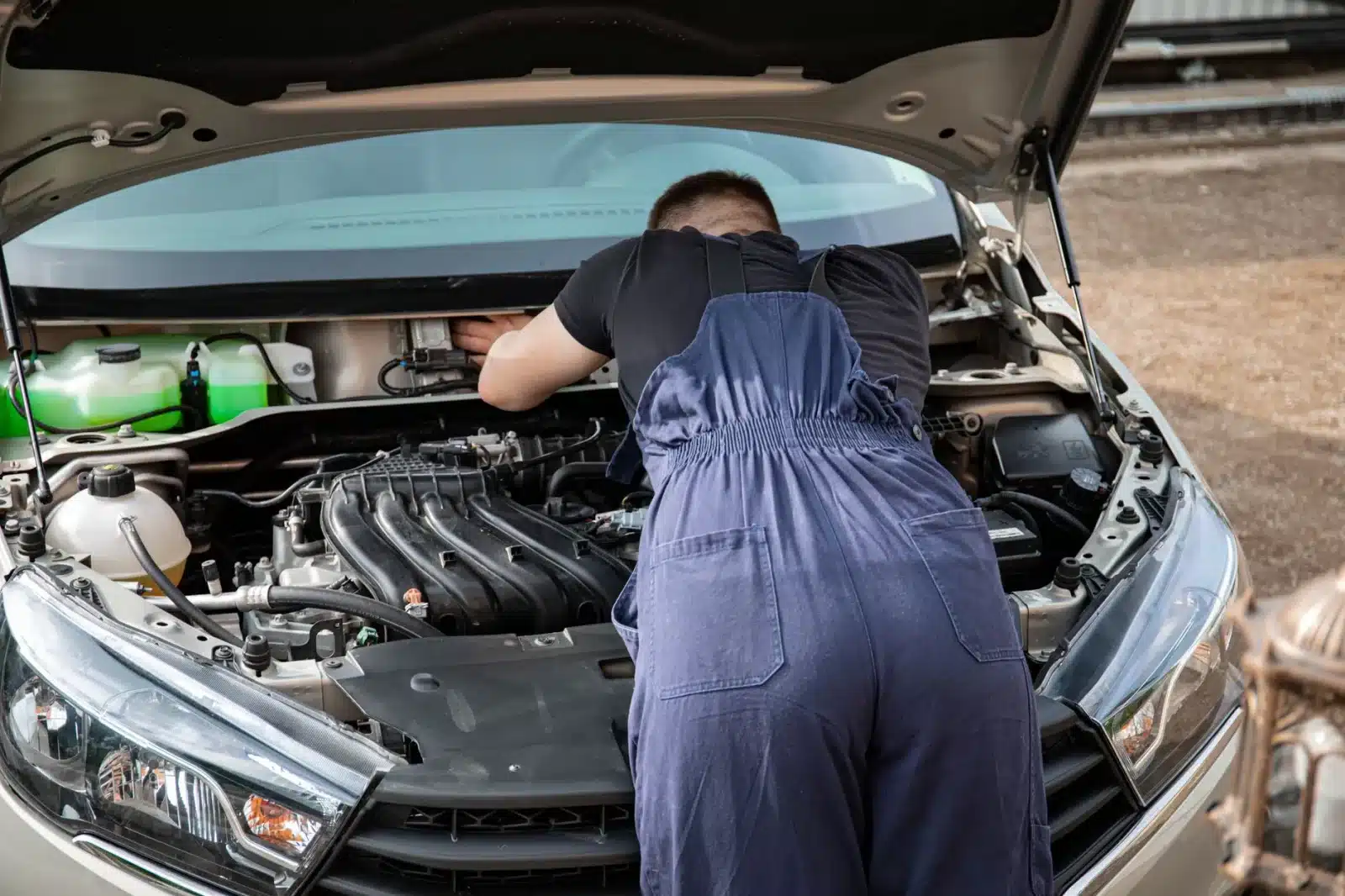
Unplug the motorhome from the mains. Switch off the main circuit breaker. For the battery, you have two options. Either remove it and store it in a dry, frost-free location—ideally on a trickle charger. Or leave it in place, but disconnected. In this case, disconnect the negative terminal first, then the positive.
Even light frost can damage the cells. If storing the battery in an unheated garage, wrap it in an insulating blanket. Place it on a wooden board to avoid direct contact with the cold floor. Check the electrolyte level if it’s a lead-acid battery. Top up with distilled water if needed. Clean the terminals with a wire brush to prevent corrosion. Avoid: leaving the battery connected without supervision. This can lead to a full discharge and irreversible damage.
3. Store gas cylinders safely
Close the valves on the gas cylinders. Disconnect them from the system. If your motorhome stays outdoors, remove them. Store them in a ventilated area, such as a cellar or garden shed. A dedicated frost-free locker also works. In France, regulations prohibit storing gas cylinders in a living space or a garage attached to a home.
If you leave them in the vehicle, ensure the gas locker is well-ventilated. Clear the air vents. Secure the cylinders firmly to prevent movement during bad weather.
4. Clean the exterior to prevent corrosion
A dirty motorhome stored for months will see its seals and bodywork deteriorate. Wash it with a pressure washer. Remove mud, insect residue, and salt—especially if you’ve driven near the coast. Focus on the wheel arches, underbody, and areas where water pools.
Dry it thoroughly with a chamois or microfibre cloth. Apply a protective wax to the bodywork. This limits the effects of frost and damp. Check the condition of door and window seals. A porous seal lets in moisture and encourages mould. If needed, apply a seal-specific product, such as silicone spray. Avoid: neglecting the clean. Mud and salt speed up corrosion.
5. Protect the interior from mould and rodents
Open all cupboards, drawers, and doors to air the living space. Vacuum to remove crumbs and food residue—these attract rodents. Place silica gel sachets or moisture absorbers in sensitive areas, such as under the sink or near windows.
To deter mice, use natural repellents. Peppermint essential oil on cotton wool or mothballs work well. Mechanical traps—without poison—prevent odours. Leave mattresses and cushions upright. This encourages airflow and prevents damp spots. Avoid: leaving food in cupboards, even in small amounts. It attracts rodents and can go mouldy.
6. Check fluid levels and condition
Even in winter storage, a motorhome needs fluids in good condition. Check the engine oil level. Top up if needed with oil suited to your engine—a 5W-30 or 5W-40 is often suitable for diesels. Check the coolant. It should sit between the “min” and “max” marks on the expansion tank.
If the level is low, add a water/antifreeze mix. Follow the proportions on the bottle. Finally, check the brake fluid and windscreen washer levels. An empty washer reservoir can freeze and crack. Low brake fluid may indicate a leak or worn brake pads.
7. Inflate tyres and protect the wheels
Underinflated tyres wear prematurely. They can also deform under the vehicle’s weight. Inflate them to the pressure recommended by the manufacturer—this information is often on a sticker inside the driver’s door or in the owner’s manual. Add 0.2 bar to compensate for pressure loss in cold weather.
If possible, raise the motorhome slightly with axle stands or chocks. This relieves the tyres and prevents flat spots. If you can’t raise the vehicle, move it a few centimetres every two months. This prevents tyre deformation. Protect the rims and tyres with a wheel cover or protective film. This limits UV and moisture damage. Avoid: leaving tyres underinflated. This speeds up wear and increases the risk of deformation.
8. Cover the vehicle to protect it from the elements
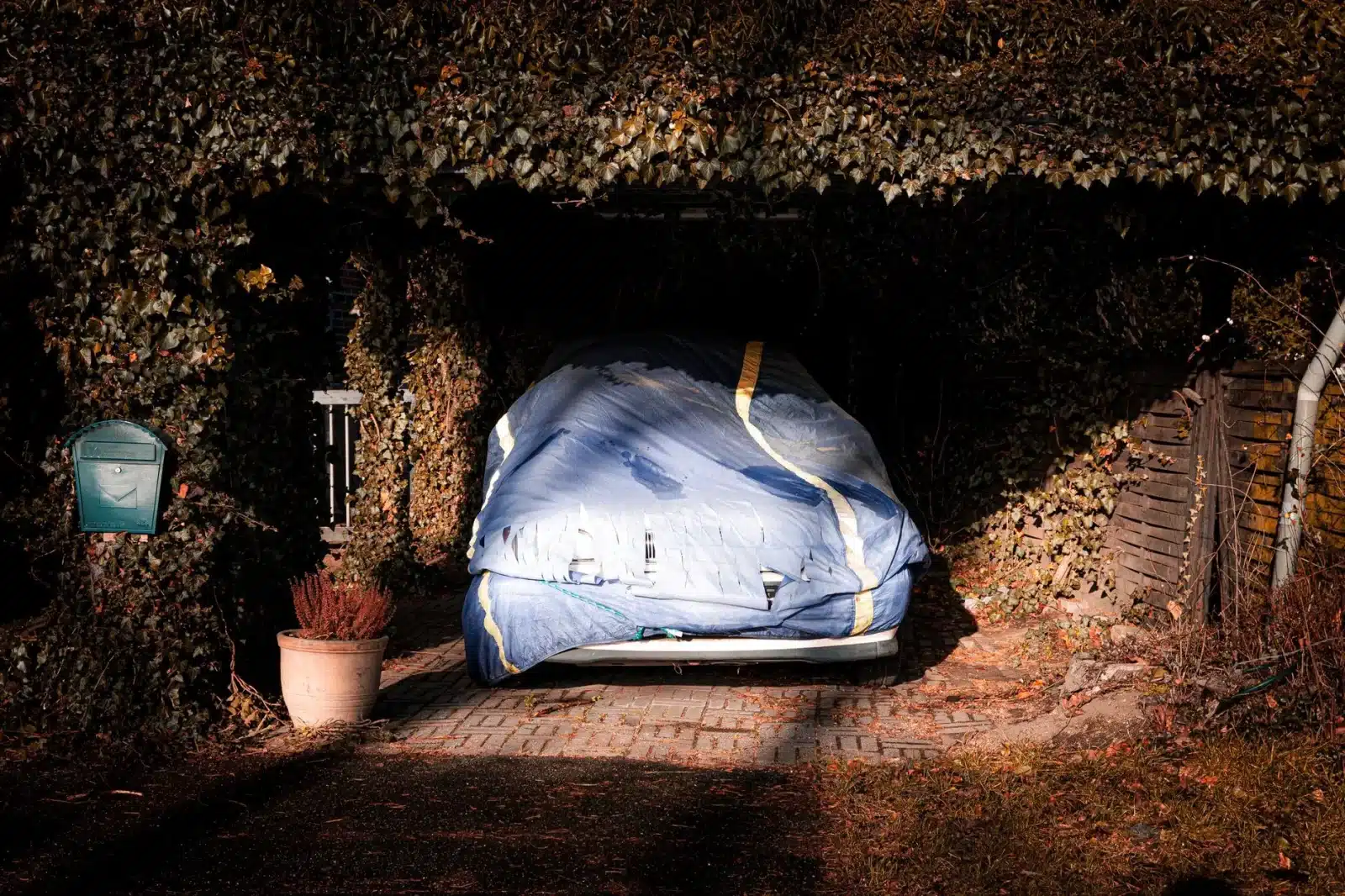
A suitable cover protects the bodywork from UV, rain, and snow. Choose a breathable cover, such as polypropylene. This prevents condensation under the sheet. Ensure it’s securely fastened to withstand wind. Avoid non-breathable plastic covers—they trap moisture and encourage corrosion.
If storing your motorhome outdoors, choose a spot sheltered from prevailing winds and trees. Leaves and sap can damage the paint. Check regularly that the cover hasn’t shifted and that water isn’t pooling on it. Avoid: using a non-breathable cover. It traps moisture and encourages corrosion.
9. Check the roof and opening seals for leaks
A leaking roof or poorly sealed window can cause significant damage over winter. Visually inspect the roof. Look for cracks, peeling seals, or damp patches. If you spot an issue, apply a motorhome-specific silicone sealant. This product resists UV and weather.
Also check the seals on doors and windows. A damaged seal should be replaced before winter storage. Inspect the skylights and vents. Clean them and ensure they close properly. This prevents water or snow from getting in.
10. Protect the engine and mechanics
If your motorhome stays idle for several months, the engine can suffer. To avoid starting problems in spring, run it for 10–15 minutes every two months. Ideally, drive a few kilometres to bring it up to temperature. If you can’t drive, let it idle—but avoid long idling periods, as they cause carbon build-up.
Also check the timing belt. If it’s near its wear limit (usually between 100,000 and 150,000 km), replace it before winter storage. This prevents breakage on restart. Finally, lubricate locks and hinges to stop them freezing or seizing. Avoid: leaving the engine idle for months. This can cause carbon build-up or seizure.
11. Prepare the interior equipment
Unplug and store all electrical appliances. Coffee maker, kettle, or portable heater—everything should be unplugged to avoid short circuits or overheating. Empty and clean the fridge. Leave its door open to prevent odours.
If your motorhome has a gas heater, purge the gas lines. Check the burner condition. Finally, remove perishable food from cupboards. Store cutlery and crockery in airtight containers. This deters rodents.
12. Perform a final inspection before storage
Final checklist
Before storing your motorhome for good, do a final inspection. Here’s a quick checklist to ensure nothing is forgotten:
- All taps are closed and tanks drained.
- The battery is disconnected or removed and stored in a dry place.
- Gas cylinders are closed and stored safely.
- The vehicle is clean, inside and out.
- Oil, coolant, and brake fluid levels are correct.
- Tyres are inflated to the correct pressure.
- The cover is securely fastened and breathable.
- Seals and waterproofing are in good condition.
- The engine has been run recently or will be started regularly.
- Electrical appliances are unplugged and stored.
Once this checklist is complete, your motorhome is ready for winter. In spring, a simple fluid check and battery recharge will be enough to hit the road with peace of mind.