
Buying a new or used car? The ecological bonus, CO₂ penalty and regional taxes can add or save you several thousand euros. In 2026, the rules are changing: the bonus is now focused on low-income households, the penalty hits polluting vehicles harder, and regional taxes remain a headache. Here’s how to anticipate these costs and make them work for you.
Why does this section exist?
Every article in this section answers a practical question: how do you calculate the penalty for an imported car? Which exemptions apply to large families? How much does a fiscal horsepower (cheval fiscal) cost in your département? Instead of searching for scattered answers, this section brings together all the steps related to car taxation. The goal? To stop you paying more than you need to.
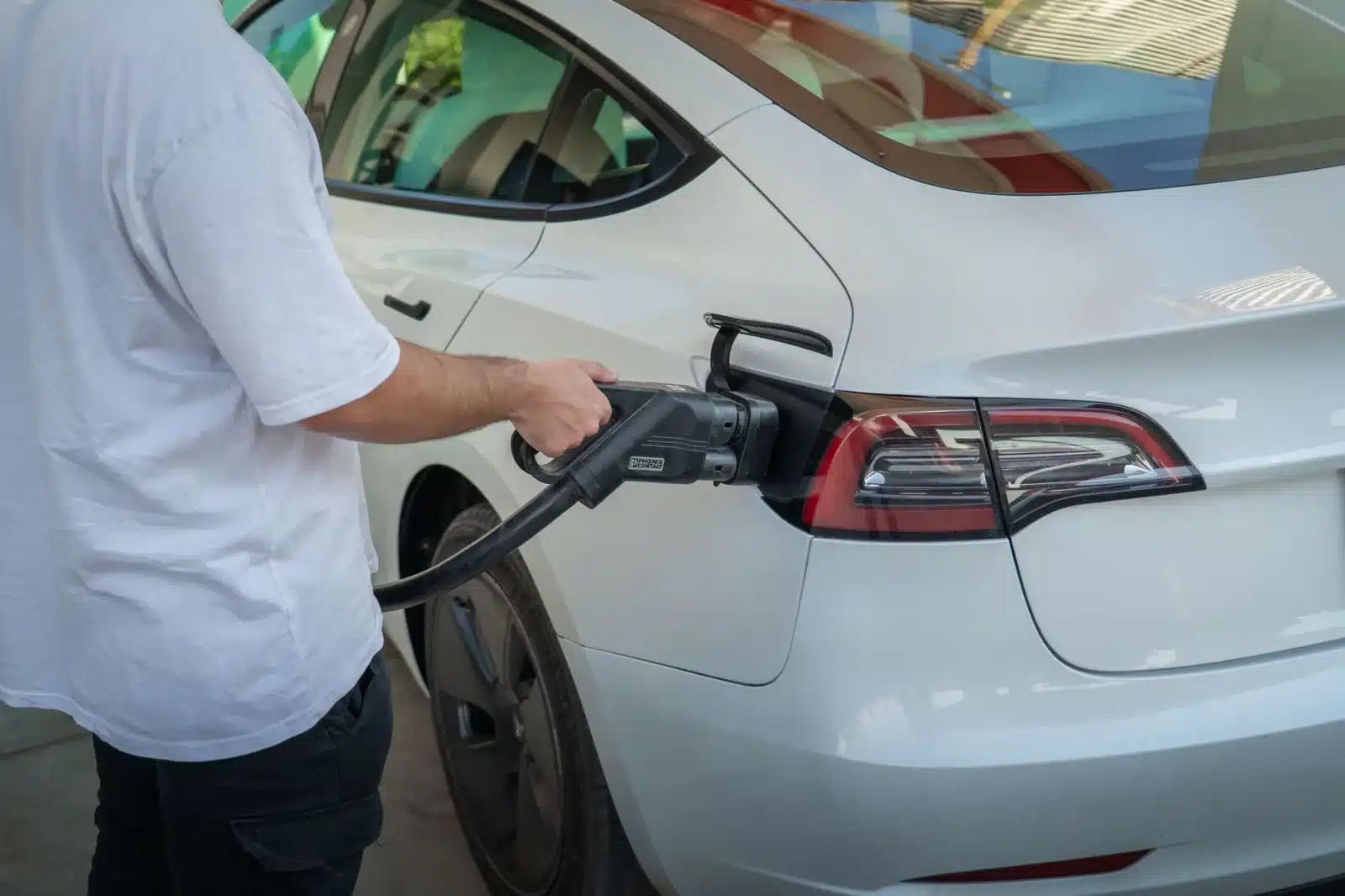
2026 ecological bonus: who can still benefit?
Since 1 July 2025, the ecological bonus has officially been called the “electric vehicle boost grant”. The amount varies depending on your income:
| Household | Bonus amount (2026) |
| Low-income | €5,700 |
| Moderate-income (non-low-income) | €4,700 |
| Other households | €3,500 |
An additional €1,200 to €2,000 is added if the battery is manufactured in the European Economic Area. In total, eligible households can receive up to €7,700 in aid. Source: economie.gouv.fr.
CO₂ penalty: how to avoid or reduce it
The CO₂ penalty applies to new or imported cars with emissions exceeding 118 g/km (2026 scale). For an imported used car, the calculation depends on its first registration date and emission level. For example, a vehicle registered in 2020 with 150 g/km of CO₂ could cost up to €2,000 in penalty on top of the purchase price. How to calculate this penalty? explains the method in detail.
Large families (three or more children) benefit from a partial or total exemption. To qualify, you must provide proof of family quotient or a family record book. All the conditions here.
CO₂ tax on used vehicles: what’s changing in 2026
The CO₂ tax also applies to used vehicles first registered after June 2020. The amount depends on the emission level and the vehicle’s age. For example, a car emitting 130 g/km bought in 2026 could cost between €50 and €500 in additional tax. How to estimate it before buying? details the process.

Fiscal horsepower: why its price varies by region
The price of a fiscal horsepower (cheval fiscal or CV) depends on your region. In 2026, it ranges from €27 (Corsica) to €51.20 (Île-de-France). To calculate your vehicle’s fiscal power, use the official formula:
PF = (CO₂ ÷ 45) + (Engine power in kW ÷ 40)^1.6
This formula, in use since 1998, is the basis for calculating the cost of your vehicle registration certificate (carte grise). Source: service-public.gouv.fr.
To find the exact rate in your region, check our comparative table.
Car taxation: pitfalls to avoid
Failing to declare a fuel change can be costly. For example, converting your car to E85 bioethanol without updating your vehicle registration certificate (carte grise) could lead to a failed MOT test. The “FE” designation (dual-fuel petrol/E85) must appear on the document. Without this update, you risk a fine and your vehicle being immobilised. Source: bioethanolcarburant.com.
Choosing between personal contract purchase (LOA) and long-term leasing (LLD) without understanding the difference can also hit your budget. According to service-public.gouv.fr, LOA is considered a consumer credit: you can become the owner of the vehicle at the end of the contract. LLD, on the other hand, is a pure lease with no purchase option. The choice depends on your needs and financial situation.

How to reduce your tax bill
- Opt for an electric or hybrid vehicle — ecological bonus and penalty exemption for the least polluting models.
- Check exemptions — large families, people with disabilities or clean vehicles may qualify.
- Compare regions — the price of a fiscal horsepower (cheval fiscal) varies by up to 100% depending on where you live.
- Plan conversions — converting to LPG or E85 can cut fuel costs, but requires updating your vehicle registration certificate (carte grise).
Car taxation isn’t inevitable. With the right information, you can save hundreds or even thousands of euros. Every article in this section guides you to avoid pitfalls and take advantage of available aid.