
A weekend in a camper van with two bikes on the roof, a daily commute in the city with the air conditioning on full blast, or a family road trip with a fully loaded car—every situation affects fuel consumption. With prices on the rise, a few simple adjustments can save you up to 20% on your annual budget. Here’s how to tailor solutions to your needs, avoid common pitfalls, and spot the car models to steer clear of to keep costs down.
Why is your car using more fuel than expected?
Higher fuel consumption isn’t inevitable. It often comes down to small details that, when combined, drain the tank faster. A poorly designed or oversized roof box can increase fuel consumption by 10 to 20% on the motorway. A clogged air filter or underinflated tyres? Count on wasting an extra 3 to 5% of fuel. And if the lambda sensor warning light comes on, it’s a sign of an air/fuel mixture issue that can push consumption up by 15%.
The causes vary depending on how you use your car. In the city, air conditioning or aggressive driving can drive up costs. On the road, it’s aerodynamic accessories or a poorly maintained engine that hit your wallet. Here are the practical steps you can take, depending on your situation.

Equipment and accessories: which ones actually cut fuel consumption?
Not all accessories are created equal. A roof box, for example, can become a money pit if it’s not the right fit. A streamlined model for a family estate won’t have the same impact as a basic box on a city car. Over 500 km, the difference can add up to an extra 5 to 10 litres of fuel. The same goes for tyres: low rolling resistance models can cut consumption by 2 to 4%, but their effectiveness depends on tyre pressure and the type of road.
Here’s a comparison of the most effective equipment and their real-world impact:
| Equipment | Impact on fuel consumption | Average cost | Lifespan |
| Low rolling resistance tyres | -2 to -4% | €80 to €150/tyre | 40,000 to 60,000 km |
| Streamlined roof box | +5 to +10% | €300 to €800 | 5 to 10 years |
| Aerodynamic roof bars | +3 to +7% | €150 to €400 | 5 to 8 years |
| High-performance air filter | -1 to -3% | €20 to €50 | 20,000 to 30,000 km |
Source: Synthesised data
The right choice depends on how you use your car. For an occasional road trip, a roof box can pay for itself after a few journeys. For daily use, low rolling resistance tyres are a long-term investment.
Air conditioning and fuel consumption: how to limit the impact
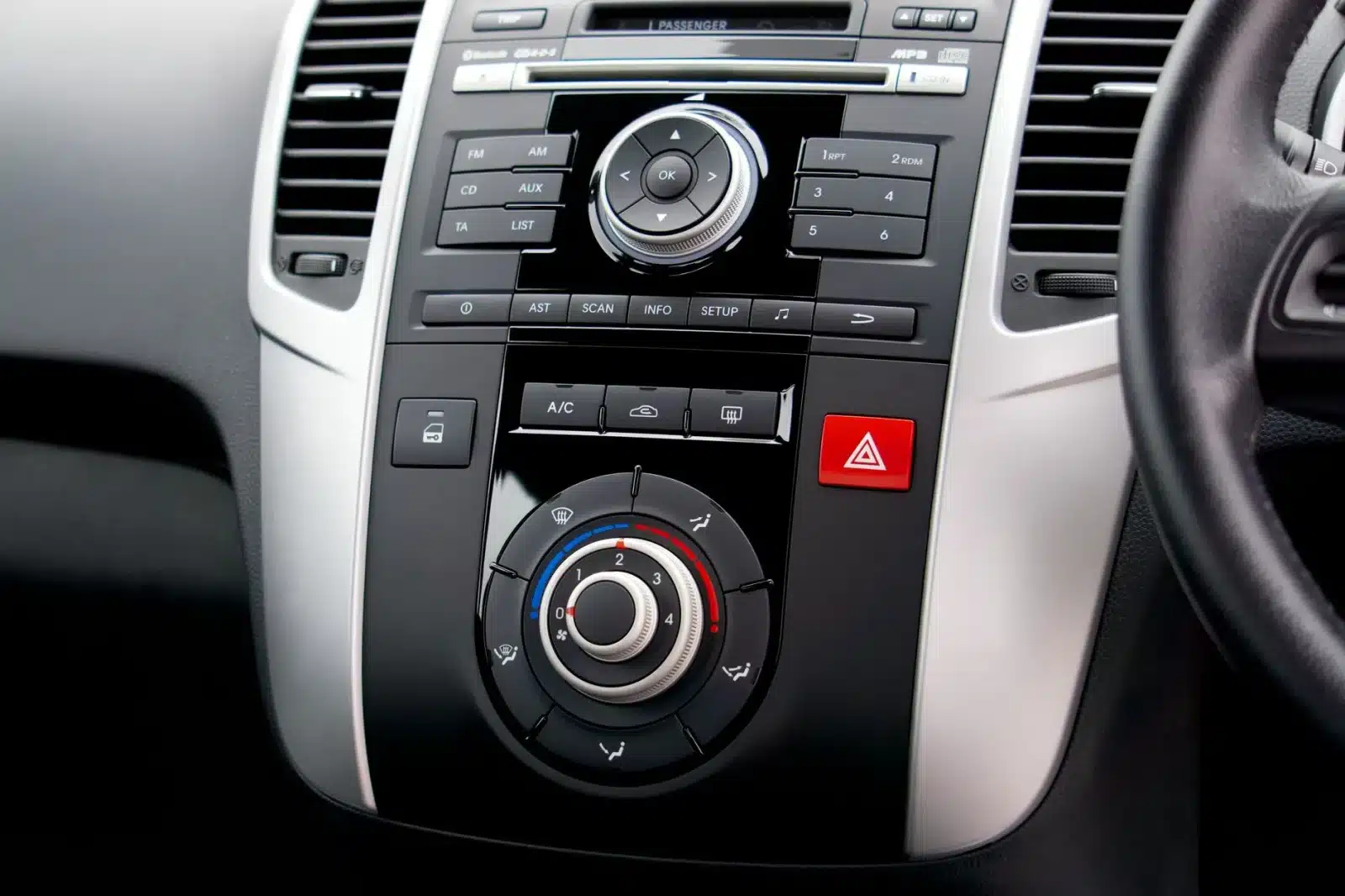
In summer, air conditioning can account for up to 20% of extra fuel consumption in the city. Yet a few simple habits can reduce its impact. Ventilate the car before setting off to let out the hot air. Once the temperature has stabilised, use the air recirculation function. On the motorway, driving with the windows open increases aerodynamic drag and cancels out the savings from turning off the air conditioning.
The result? An overheating compressor and a hefty bill. Here are the best practices:
- Start the air conditioning before hitting the road to avoid straining the compressor when it’s cold.
- Set the temperature to a maximum of 22–24°C: every degree lower increases consumption by 3 to 5%.
- Turn off the air conditioning 5 minutes before arriving to let the humidity escape and avoid thermal shock.
- Have the system serviced every 2 years to prevent gas leaks, which reduce efficiency.
A faulty compressor or a clogged cabin filter will also push up costs. If the warning light comes on, a diagnosis is essential. Recharging the gas costs €50 to €100, but an unrepaired leak can damage the compressor (€1,000 or more).
Car models to avoid: the worst offenders for fuel consumption
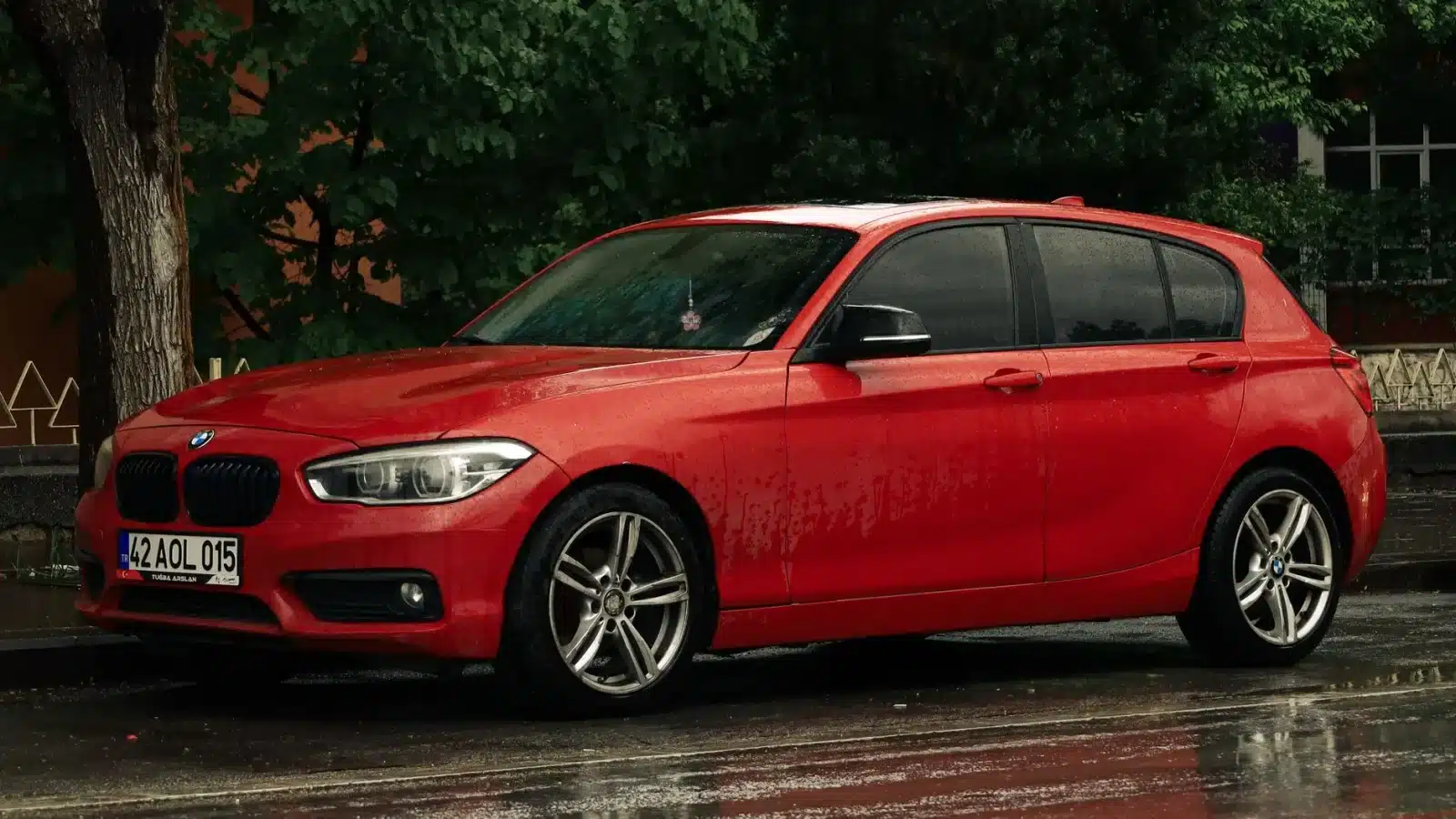
Some models, even recent ones, are notorious for their chronic high fuel consumption. The Nissan Juke 1.6 DIG-T (2010–2013) can guzzle up to 1.5 litres of oil per 1,000 km. The 1.2 DIG-T (2014–2018) suffers from compression loss and timing chains that stretch prematurely. At Skoda, the Fabia has its share of issues: excessive oil consumption, a fragile water pump, and temperamental timing on several engine options.
Here’s a selection of models to avoid, along with their recurring problems:
| Model | Engine | Main issue | Average repair cost |
| Nissan Juke | 1.6 DIG-T 190 (2010–2013) | Excessive oil consumption, turbo overheating | €2,000 to €4,000 |
| Nissan Juke | 1.2 DIG-T 115 (2014–2018) | Timing chain, compression loss | €3,000 to €5,000 |
| Skoda Fabia | 1.4 TDI 90–105 hp | Fragile water pump, timing | €1,500 to €3,000 |
| Peugeot 3008 | 1.2 PureTech 130 (2016–2018) | Wet timing belt, accelerated wear | €1,200 to €2,500 |
Source: Proto Insa Club, Oscar Racing, Fiches Auto
If you own one of these models, strict maintenance is essential. For the 1.2 PureTech, an oil change every 10,000 km (instead of the recommended 20,000 km) can extend the life of the timing belt.
Warning lights and alerts: what to do when fuel consumption spirals
An orange warning light on the dashboard is often the first sign of abnormal fuel consumption. The “Low AdBlue” light indicates a lack of urea solution, which is essential for reducing emissions in diesel engines. Without topping up, the vehicle may refuse to restart. Another common issue is the lambda sensor warning light, which signals an air/fuel mixture problem and can push consumption up by 15%.
Here are the most common warning lights related to fuel consumption and what to do about them:
| Warning light | Colour | Meaning | Recommended action |
| Low AdBlue | Orange | Low AdBlue (SCR diesel engines) | Top up quickly |
| Lambda sensor fault | Orange | Air/fuel mixture issue | Urgent OBD diagnosis |
| Diesel particulate filter (DPF) | Orange | Clogged DPF (diesel engines) | Drive at sustained revs to regenerate |
| Tyre pressure | Orange | Underinflated tyre | Check and adjust pressure |
Source: OBD Facile tools, IdGarages
An OBD diagnosis (€50 to €100) pinpoints the exact problem. The code P1131, for example, indicates a faulty lambda sensor, often caused by a corroded connector or damaged wiring. Early repairs can prevent much costlier damage—a lambda sensor costs €100 to €300, compared to €1,000 or more for a damaged turbo.
Alternative fuels: E85, LPG, hydrogen—what are the real savings?
Superethanol-E85 (€0.75 to €0.87/L) and LPG (€0.95 to €1.08/L) remain the cheapest fuels in France, well below diesel or SP95. But their cost-effectiveness depends on how you use your car. Converting to E85 costs €800 to €1,500, but the savings at the pump (up to 50%) can pay off the investment after 20,000 to 30,000 km. Be aware that the vehicle registration document (carte grise) must be updated after installing an approved conversion kit, or you risk failing the MOT (contrôle technique).
Here’s a comparison of alternative fuels:
| Fuel | Average price (2026) | Advantages | Disadvantages |
| E85 | €0.75 to €0.87/L | Low price, expanding network of filling stations | Conversion required, vehicle registration update needed |
| LPG | €0.95 to €1.08/L | Widespread network, compatible with some petrol models | Bulky tank, reduced range |
| Hydrogen | €10 to €15/kg (equivalent to €72,000 to €120,000/vehicle) | Zero emissions, fast refuelling | High cost, limited network of filling stations |
Source: Roole Data, Supercarbu, Antargaz, Vivacar
For hydrogen, the cost remains prohibitive (€72,000 to €120,000 for a vehicle), but recent models are gaining in range (500 to 600 km). LPG is a middle-ground solution: compatible with some petrol models without major modifications, it offers a range of 400 to 500 km, though the tank takes up boot space.
How to choose between these solutions
Your choice depends on three factors: budget, usage, and tolerance for technical constraints. Here’s a guide to help you decide:
- Urban use and short trips: Opt for low rolling resistance tyres and a smooth driving style. If air conditioning is essential, use it sparingly.
- Long and regular journeys: A streamlined roof box or an E85 conversion could be cost-effective. Check your vehicle’s compatibility with an E85 conversion kit before taking the plunge.
- Occasional road trips: LPG is an interesting option if your car is compatible. Otherwise, a well-chosen roof box and optimised tyre pressure can make a difference.
- Avoid nasty surprises: Keep an eye on dashboard warning lights and get an OBD diagnosis at the first sign of trouble. A faulty lambda sensor or a clogged diesel particulate filter can push up costs without you realising.
Finally, if you’re thinking of buying a car, steer clear of models known for high fuel consumption, like the Nissan Juke 1.2 DIG-T or the Skoda Fabia 1.4 TDI. A reliable and fuel-efficient car, even second-hand, will always be more cost-effective in the long run.
Cutting fuel consumption every day: habits that make all the difference
Adopting lasting habits can reduce fuel consumption without much effort. For example, switching off the engine when stationary (even for a few seconds) avoids wasting fuel. Similarly, driving at a steady speed on the motorway reduces jerky acceleration and excessive fuel use. Finally, regularly checking tyre pressure and the condition of the air filter extends the engine’s life and optimises performance.
Public initiatives also encourage these habits. Awareness campaigns promote public transport or carpooling for daily commutes. At home, simple actions like switching off appliances on standby or choosing energy-efficient devices complement these efforts. The goal? Reduce dependence on fossil fuels while saving money.