
In 2026, LPG remains the cheapest alternative fuel at the pump in France. Its average price ranges between €0.95 and €1.08 per litre—30 to 50% cheaper than petrol, which costs between €1.90 and €2.20 per litre. But is it right for your needs, given its reduced range and limited network of filling stations?
Why choose an LPG car? The 3 main advantages
LPG’s biggest draw is its price. In 2026, it ranges from €0.95 to €1.08 per litre, compared with €1.90 to €2.20 per litre for petrol. The result? An LPG fill-up costs 30 to 50% less.
For 15,000 km a year, that means a saving of €400 to €700 on fuel alone. LPG benefits from a reduced TICPE rate (domestic tax on energy products) in France, which keeps its price competitive.
Finally, LPG emits 10 to 15% less CO₂ than an equivalent petrol engine—a selling point for drivers concerned about their carbon footprint.
For professional fleets, LPG can also mean significant savings. CNG and hydrogen offer other alternatives for commercial vehicles, but LPG remains the most accessible option for tighter budgets.
A cleaner fuel?
LPG emits fewer fine particles and NOx than diesel. It also produces less CO₂ than petrol—but it’s still a fossil fuel.
For a truly green solution, electric or hydrogen vehicles are more effective.
The 3 drawbacks to consider before buying an LPG car
The first hurdle is range. An LPG car loses 20 to 30% of its range compared with its petrol version. That’s because a litre of LPG contains 20% less energy than a litre of petrol.
So, while you might get 500 km from a petrol tank, expect 350 to 400 km on LPG.
A limited LPG filling station network
In France, there are around 1,800 LPG filling stations in 2026—compared with over 11,000 for petrol or diesel. They’re mainly concentrated in large cities and industrial areas.
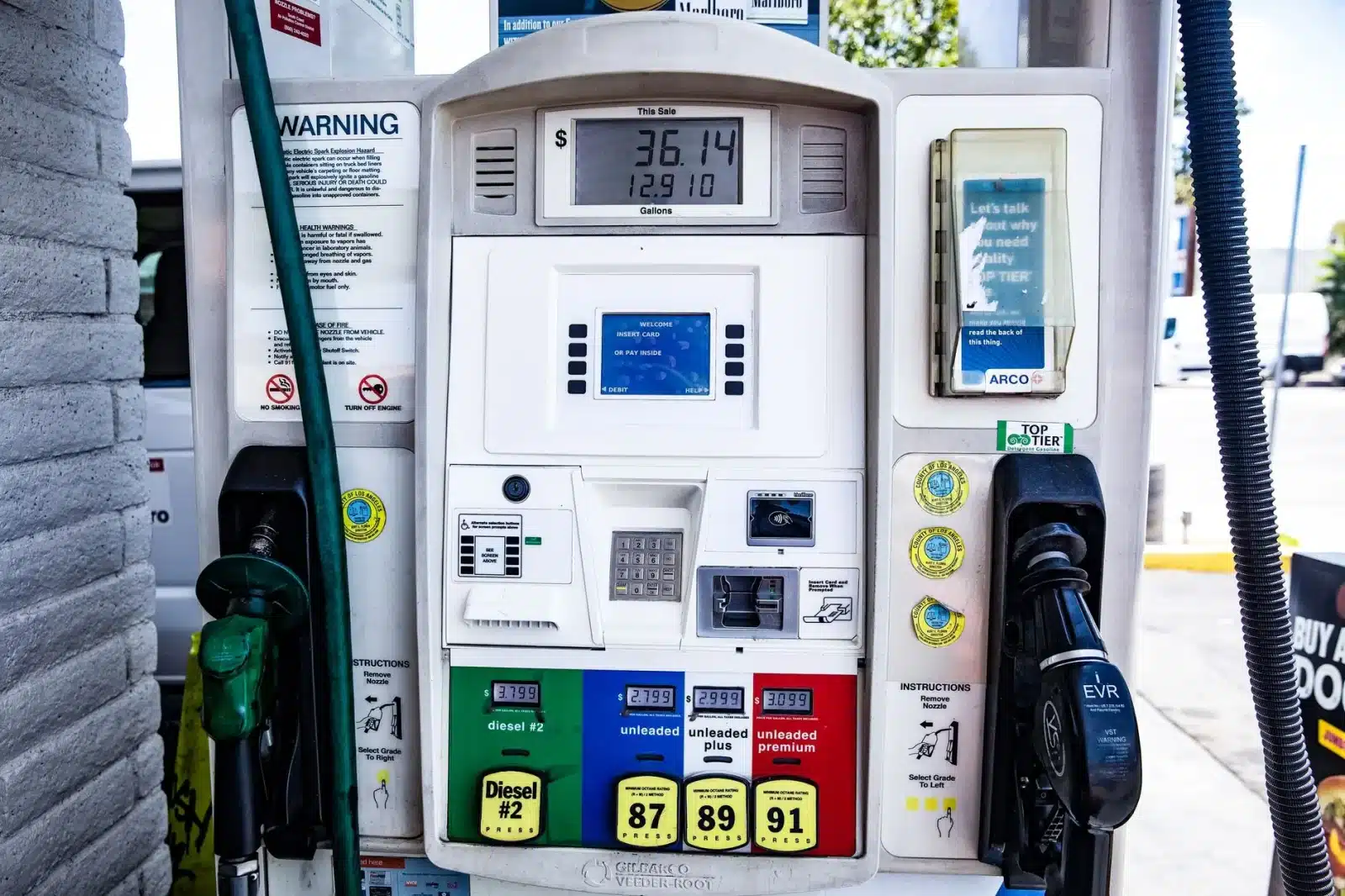
In rural areas, filling up can be tricky. Apps like “GPL France” or “Antargaz” help locate stations.
Note: the hydrogen network is even more limited. Our map of hydrogen filling stations in France lets you compare the two options.
Technical constraints and potentially higher maintenance costs
Fitting an LPG system to a vehicle not originally designed for it costs between €1,500 and €3,000. Some garages also charge more for servicing—particularly for oil changes or fuel injection system checks.
What’s more, a non-approved conversion can void the manufacturer’s warranty.
For factory-fitted vehicles, our guide to LPG, CNG and hydrogen explains the differences between these alternative fuels.
How much does an LPG car really cost in 2026?
The purchase price depends on the model and whether it’s factory-fitted. Here’s a realistic range for 2026.
| Vehicle type | Average price (new) | Average price (used, 5 years old) |
| City car (LPG) | €18,000 – €22,000 | €10,000 – €14,000 |
| Saloon (LPG) | €25,000 – €30,000 | €14,000 – €18,000 |
| Estate/MPV (LPG) | €28,000 – €35,000 | €16,000 – €22,000 |
| Aftermarket LPG conversion | €1,500 – €3,000 | N/A |
Note: new LPG models are rare in 2026. Manufacturers are focusing on electric and hybrid vehicles instead. Most LPG vehicles available are therefore used or converted models.
LPG vs petrol vs diesel: which fuel should you choose in 2026?
To make things clearer, let’s compare the three options based on three criteria: cost per km, range and environmental impact.
| Criteria | LPG | Petrol | Diesel |
| Average price per litre (2026) | €0.95 – €1.08 | €1.90 – €2.20 | €1.80 – €2.10 |
| Average range (50 L tank) | 400 km | 600 km | 700 km |
| CO₂ emissions (g/km) | 120 – 140 | 160 – 180 | 140 – 160 |
| Filling station network | 1,800 | 11,000 | 11,000 |
LPG is unbeatable on price per litre. However, its reduced range and limited network make it less practical for long journeys.
Petrol offers the best compromise. Diesel remains a good option for high-mileage drivers, despite restrictions in cities.
Taxation and incentives: is LPG still a good deal in 2026?
In 2026, LPG no longer benefits from the same attractive incentives as before. Here’s what you need to know.
- Ecological bonus: No bonus is available for buying a new LPG car. The French government does not consider LPG a green fuel.
- Ecological penalty: LPG vehicles are subject to the penalty. However, since their CO₂ emissions are lower than those of petrol vehicles, the penalty is often less. Example: €50 for an LPG vehicle emitting 130 g/km, compared with €100 for a petrol vehicle emitting 160 g/km.
- Company vehicle tax: Since 2022, the TVS (tax on company vehicles) has been replaced by two taxes (CO₂ and pollutants). As a result, LPG vehicles are generally taxed less than diesel vehicles.
In short, LPG remains a good option for private motorists who drive a lot in cities or on short trips. However, public incentives no longer work in its favour.
Who is an LPG car really suited to?
LPG isn’t a one-size-fits-all solution. Here are the profiles it might suit.
- Low-mileage drivers: Less than 10,000 km a year? LPG cuts fuel costs without too many drawbacks.
- City dwellers: In urban areas, journeys are short and the LPG network is denser.
- Professional fleets: For tradespeople, LPG can mean significant long-term savings—provided maintenance is well managed.
- Pragmatic eco-drivers: Want to reduce your carbon footprint without going electric? LPG is a credible alternative.
On the other hand, avoid LPG if:
- You often make long trips (over 300 km at a stretch).
- You live in a rural area with few LPG filling stations.
- You do a lot of motorway driving—LPG’s reduced range can be a drawback.
- You’re looking for a new vehicle. LPG models are rare in dealerships.