Home › Bikes & New Mobility › Electric Scooters & PMDs
Minimum age, speed limits, helmets, insurance, model choice—five questions keep coming up about electric scooters and PMDs. Each article listed below answers just one of them, with the figures and regulations in force for 2026. No need to read everything at once: find the question that applies to you and go straight to the relevant article.
Key points to remember before choosing your article:
- 14 years minimum, 25 km/h maximum, compulsory third-party insurance since 2019—three rules that apply to every electric scooter on public roads.
- Helmets are only mandatory for 14-18-year-olds, never for adults, despite a bill still stalled in committee since September 2025.
- Real-world range often falls well short of the manufacturer’s claim—a more decisive factor than motor power when choosing your model.
PMDs: Scooters, Gyropods, Monowheels—What Are We Talking About?
PMD stands for *engin de déplacement personnel motorisé* (personal motorised mobility device). The category includes electric scooters, gyropods, monowheels, and hoverboards—all subject to the same regulatory framework when used on public roads. No licence is required to ride an electric scooter, regardless of age above the legal minimum.
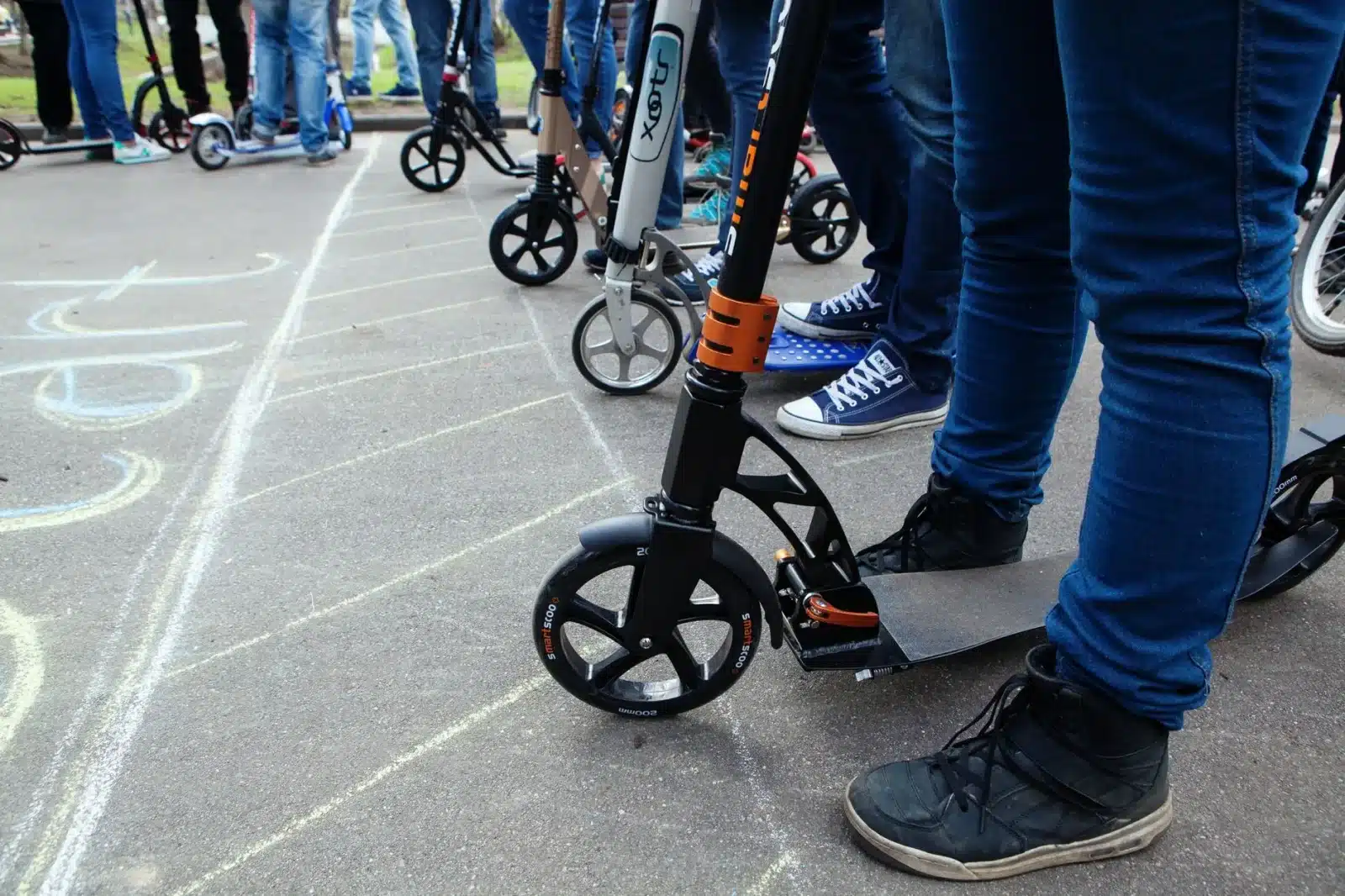
In practice, electric scooters account for the vast majority of usage and questions. Gyropods and monowheels occupy a niche role, mostly reserved for experienced users. It’s the scooter that causes issues on commutes in city centres, the one most often used in shared schemes, and the one most frequently stopped for pavement riding.
This distinction matters when choosing an article: questions about insurance, helmets, or penalties apply to all PMDs, but issues around range, models, or comparisons remain specific to electric scooters—the only device truly mainstream in daily use.
What the Regulations Say in 2026
Three thresholds shape the entire legal framework: age, speed, and equipment. Under 14s are banned from public roads, no matter where. Above 25 km/h, the device falls outside the PMD category and into a grey area that police penalise without hesitation. Our page on PMD regulations 2026 breaks down each threshold, permitted routes, and associated penalties.

For routes, PMDs must use a cycle path or lane where available. If not, roads are permitted—provided they’re limited to 50 km/h or less. Pavements are off-limits, except for occasional local exemptions, or for children under 8 riding at walking pace.
Equipment matters as much as the route. An effective braking system, a sound signal, front and rear lights, and reflective devices on the rear and sides are required before venturing onto public roads—unless the tyres are already reflective. During checks, the absence of any single element is enough to justify a fine, even if the device complies with age and speed limits.
Third-party liability insurance has been compulsory since 2019, just like for a car. Riding without it risks a fine and, in case of an accident with a third party, covering the damage out of pocket.
| Requirement | Current Rule |
|---|---|
| Minimum age | 14 years |
| Maximum speed | 25 km/h |
| Third-party liability insurance | Compulsory |
| Helmet (adults) | Not compulsory, strongly recommended |
| Helmet (14-18 years) | Compulsory since October 2019 |
| Driving licence | None |
| Lights, brakes, sound signal, reflectors | Compulsory |
Helmets, Headphones, Phones: What People Think Is Mandatory (But Isn’t)
Many users assume helmets are compulsory for everyone. They’re not. The law only requires them for 14-18-year-olds, since October 2019. Adults can legally ride bare-headed, though tarmac at 25 km/h quickly makes a convincing case otherwise. A bill introduced in September 2025 seeks to extend the requirement to all ages, but it remains stuck in committee—nothing has changed yet. Our page on mandatory scooter helmets tracks the bill’s progress and details special cases.
Using a phone while riding carries a fine, just like in a car. Wearing headphones in both ears poses the same problem: the rider misses the sound of approaching vehicles, and the officer issuing the fine makes no distinction between a cyclist and a scooter user.
Without official scooter-specific statistics, clinical evidence tells the story: the head is the first point of impact in a forward fall, helmet or not. Adults can legally ride without one, but it becomes an obvious choice when commutes involve heavy traffic, cobblestones, and emergency braking. The decision is yours—but it’s made with full awareness of the risks.
Real-World Range: Spec Sheet vs. Daily Use
Spec sheets often promise 35 or 40 km of range. On a real commute—headwinds, red lights, rough surfaces—the actual figure drops significantly. Our page on the real-world range of electric scooters compares manufacturer claims with daily use, showing the gaps measured model by model.
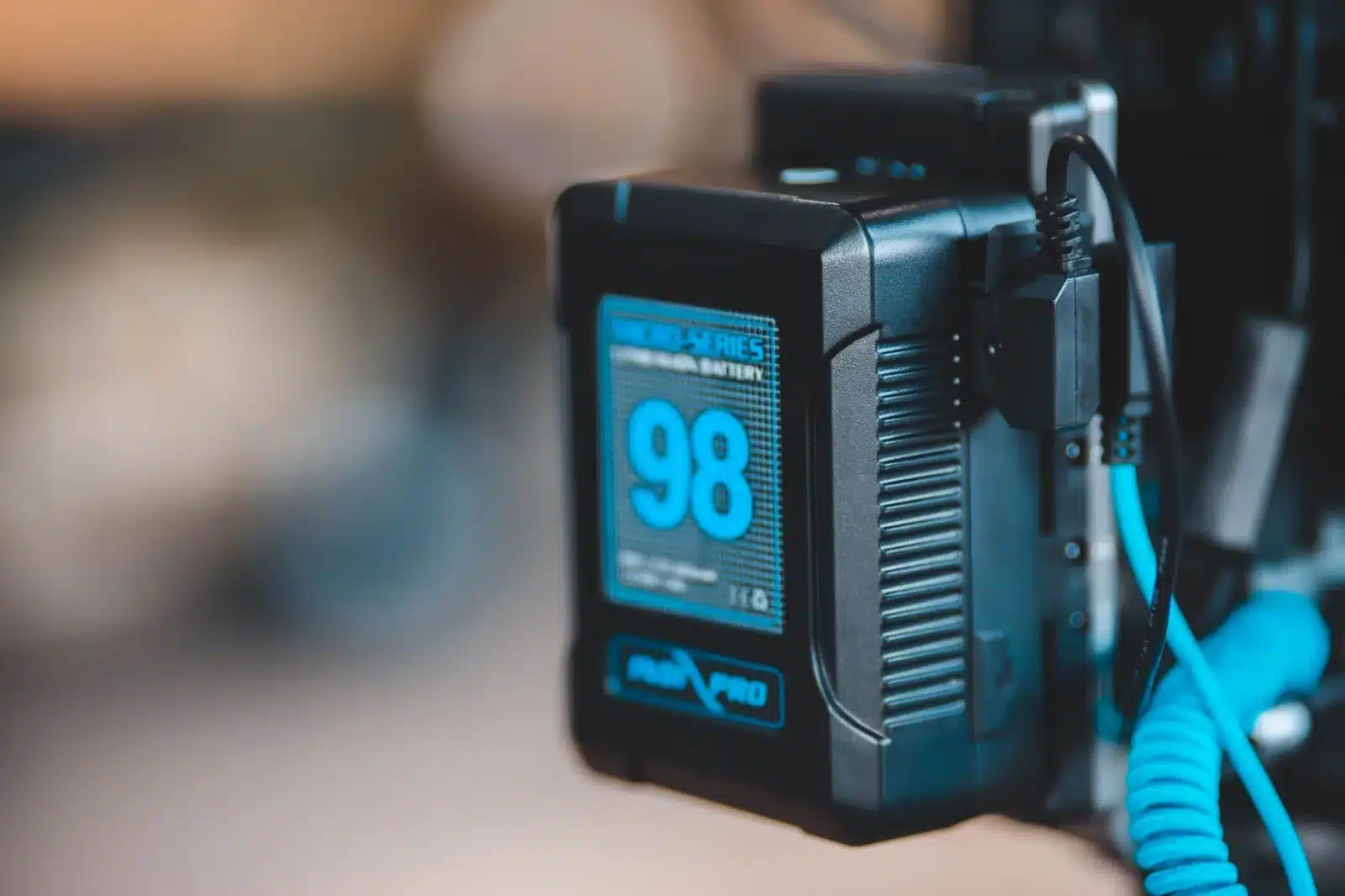
Cold weather, rider weight, underinflated tyres, or hilly routes each chip away at range. Combined, these factors explain why a model advertised at 40 km rarely exceeds 25 or 30 km on a real weekday commute.
Choosing the Right Model for Your Budget and Needs
On a student budget, prioritise a good braking system over unnecessary top speeds. Disc brakes bite harder in the rain than drum brakes, and pneumatic tyres absorb cobblestones better than solid ones—at the cost of slightly more maintenance. Our comparison of the best electric scooters ranks models by real-world use: short city trips, longer commutes, or occasional weekend rides.
The scooter’s weight matters as much as its price when you have to carry it up stairs or tuck it under a desk. A lightweight model struggles with potholes; a heavy one tires your arm after a few flights. The trade-off depends on your actual route—not the most flattering spec-sheet figure.
Shared Scooters: Same Rules, Extra Constraints
Hiring a shared scooter doesn’t change the Highway Code. The minimum age, pavement ban, and cycle-path requirement apply just as strictly as with a privately owned device. Many operators even cap speeds below the legal limit in busy or pedestrian areas, using software geofencing.
Third-party insurance is usually included in the rental fee, which sounds reassuring. But it doesn’t always cover everything: checking the exclusions before riding avoids nasty surprises if you crash and damage a third party’s property. Our page on mandatory scooter insurance details the key points to check, whether you own or rent by the minute.
Derestricting, Marking, Penalties: The Costly Pitfalls
Derestricting a scooter beyond 25 km/h might seem tempting, but it’s risky in practice. A specialist firm reports fines of up to €1,500 and outright confiscation. Insurers typically refuse to cover accidents involving derestricted devices—canceling out the point of paying for insurance in the first place.
Another common mix-up: the mandatory anti-theft marking introduced in 2021 applies to new bikes over 16 inches sold by professionals—not scooters. An electric bike bought in-store gets a unique ID registered in the national cycle database; a scooter isn’t subject to the same rule, though voluntary marking can still deter theft.
Checks are increasing in city centres, especially where scooters and pedestrians cross paths. Riding on pavements, exceeding speed limits in pedestrian zones, or carrying a passenger all carry the same risk: a fine and sometimes on-the-spot immobilisation.
Electric scooters, e-bikes, shared mopeds—these modes often share the same streets and the same questions about insurance or maintenance. The bikes & new mobility section brings together all our guides on commuting, purchase grants, and shared transport.