
New Motorhome Depreciation: How Much Value Does It Lose in the First Year?
A new motorhome loses an average of 20% of its value in the first year. On a €60,000 model, that’s around €12,000. Why is this depreciation steeper than for a car? Demand for used models is soaring. What’s more, the specific maintenance costs (gas, heating, insulation) put off potential buyers.
For a 400 km weekend trip with two bikes on the back, this loss becomes very real, very fast. A model bought for €60,000 in 2025 will only be worth €48,000 a year later. Even with just 5,000 km on the clock, the depreciation is unavoidable.
Why does a new motorhome depreciate so quickly?
The Argus rating, created in 1927, estimates this loss of value. It combines the list price, mileage and vehicle condition. This benchmark reveals a harsh reality: as soon as it leaves the dealership, depreciation hits 15 to 20%. Several factors explain this.
- Used models are more appealing: Buyers often prefer a recent but already run-in model. It’s cheaper and just as well equipped.
- Maintenance is costly: Servicing the gas system, heating and insulation—these specific costs add up. As a result, they reduce the perceived value.
- Fittings wear out quickly: Kitchen, bedding, storage—these interior features lose their shine faster than the bodywork.
For a couple planning a European tour in 2027, this depreciation isn’t just an abstract figure. A model bought for €55,000 in 2026 and sold for €40,000 in 2028 will cost around €7,500 a year. This calculation doesn’t include fuel or maintenance.
How does depreciation change after the first year?

After the first year, depreciation slows down—but it’s still significant. Here’s what the market data shows.
| Year | Average depreciation | Residual value (e.g. €60,000) |
|---|---|---|
| 1st year | 20% | €48,000 |
| 2nd year | 10-15% | €40,800 – €43,200 |
| 3rd year | 8-12% | €35,900 – €39,700 |
| 5 years and over | 5-8% per year | €25,000 – €30,000 |
This curve shows that the sharpest loss happens in the first year. After that, depreciation settles at around 10% a year. However, it slows down after five years.
For a family road trip, this means a model bought new in 2026 will be hard to sell. It won’t exceed 50% of its original value before 2030.
How can you limit the depreciation of your new motorhome?
While depreciation is inevitable, a few tips can help reduce it. Here are the main ones.
- Choose a sought-after model: Low-profile or integrated models, which are more spacious and better insulated, depreciate more slowly than over-cab models. A comparison with other types of motorhomes can help you decide.
- Keep mileage low: Less than 10,000 km a year helps preserve value. For short trips, a used model that’s already run in makes more sense.
- Maintain it regularly: A full service history reassures buyers. Invoices for servicing (gas, heating, tyres) are essential.
- Avoid unnecessary options: High-end fittings (solar panels, luxury kitchen) don’t always pay off. It’s better to stick with standardised options.
- Sell at the right time: Spring, before the peak season, is ideal. Buyers are more numerous and willing to pay a bit more.
For a couple planning a European tour in 2027, these tips can help better anticipate the budget. For example, a model bought for €55,000 in 2026 and sold for €40,000 in 2028 will cost around €7,500 a year. This amount doesn’t include fuel or maintenance.
Should you buy new or used?
The choice depends on your budget and priorities. Here’s what tips the balance in favour of one or the other.
| Criteria | New | Used (2-3 years old) |
|---|---|---|
| Purchase price | High (immediate depreciation) | 20-30% cheaper |
| Warranty | 2 to 5 years (manufacturer) | 6 months to 2 years (trade-in) |
| Equipment | Latest technology | May lack recent options |
| Maintenance | Controlled costs (warranty) | Risk of unexpected expenses |
| Future depreciation | High in the first year | Less pronounced |
For a van conversion travel project, a used model can be a good compromise. A 2023 model bought for €45,000 in 2026 will already have taken its biggest depreciation hit. What’s more, it will cost less to insure. According to cheaper motorhome insurance, the price ranges from €200 to €400 a year.
Mistakes to avoid to preserve your motorhome’s value
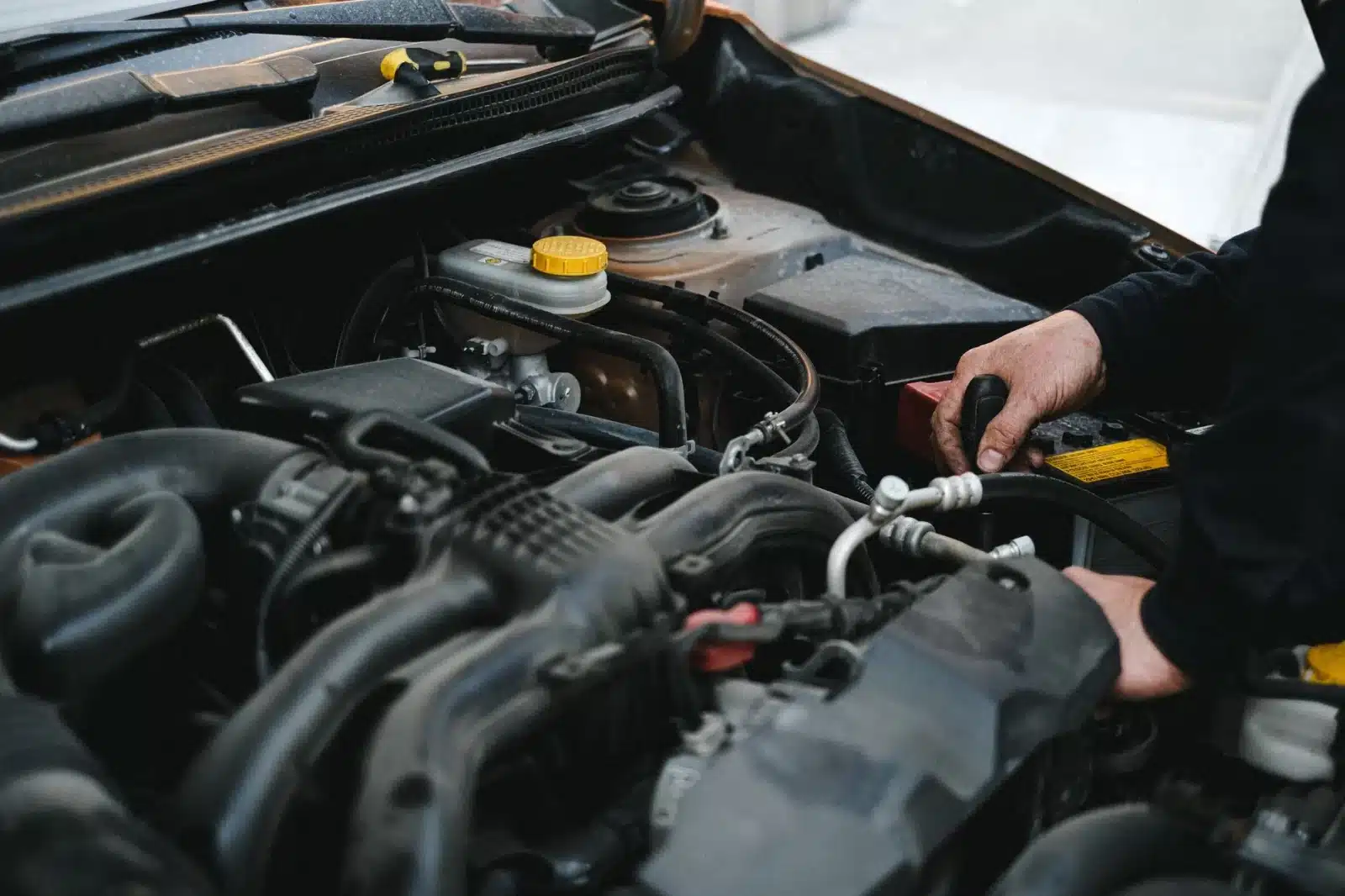
Some practices speed up depreciation and make resale harder. Here are the main mistakes to avoid.
- Neglecting winterisation: A motorhome that’s not properly prepared for winter loses value quickly. Key steps? Draining all water, switching off the electricity and cleaning the exterior (Hymer).
- Forgetting to update the registration certificate: After installing an E85 conversion kit, the fuel type must be changed to “FE”. Without this update, the vehicle could fail its contrôle technique (MOT).
- Parking anywhere: A motorhome can park like a car. However, “camping” (putting out an awning, setting up chairs) is banned on public roads. By-laws that specifically ban motorhomes are illegal—but it’s still best to check local rules.
- Ignoring accessory insurance: A bike rack or the bikes themselves aren’t always covered by standard car insurance. An extension to your policy is often needed (MAAF, MAIF).
For a family road trip with two children, these details make all the difference. A well-maintained motorhome that complies with the rules holds its value better. It also avoids nasty surprises—like a fine for illegal parking or an insurance claim being rejected.