
Peer-to-Peer Car Rental: Reviews, Pitfalls and Best Practices in 2026
Thinking of renting a car from a private owner instead of a rental agency? In 2026, this option can save you 30 to 50% compared to traditional rentals. However, between insurance policies, mixed reviews and sometimes unclear terms, here are the key points to check before booking.
Why choose peer-to-peer car rental? The real cost
For a Paris-Lyon trip (465 km), a compact saloon car costs an average of £80 per day with a traditional rental company. With a private owner via Getaround or Ouicar, expect to pay between £45 and £60. That’s a saving of 25 to 40%.
Another advantage: flexibility. Platforms offer slots ranging from one hour to several weeks. Perfect for a house move or a last-minute getaway.
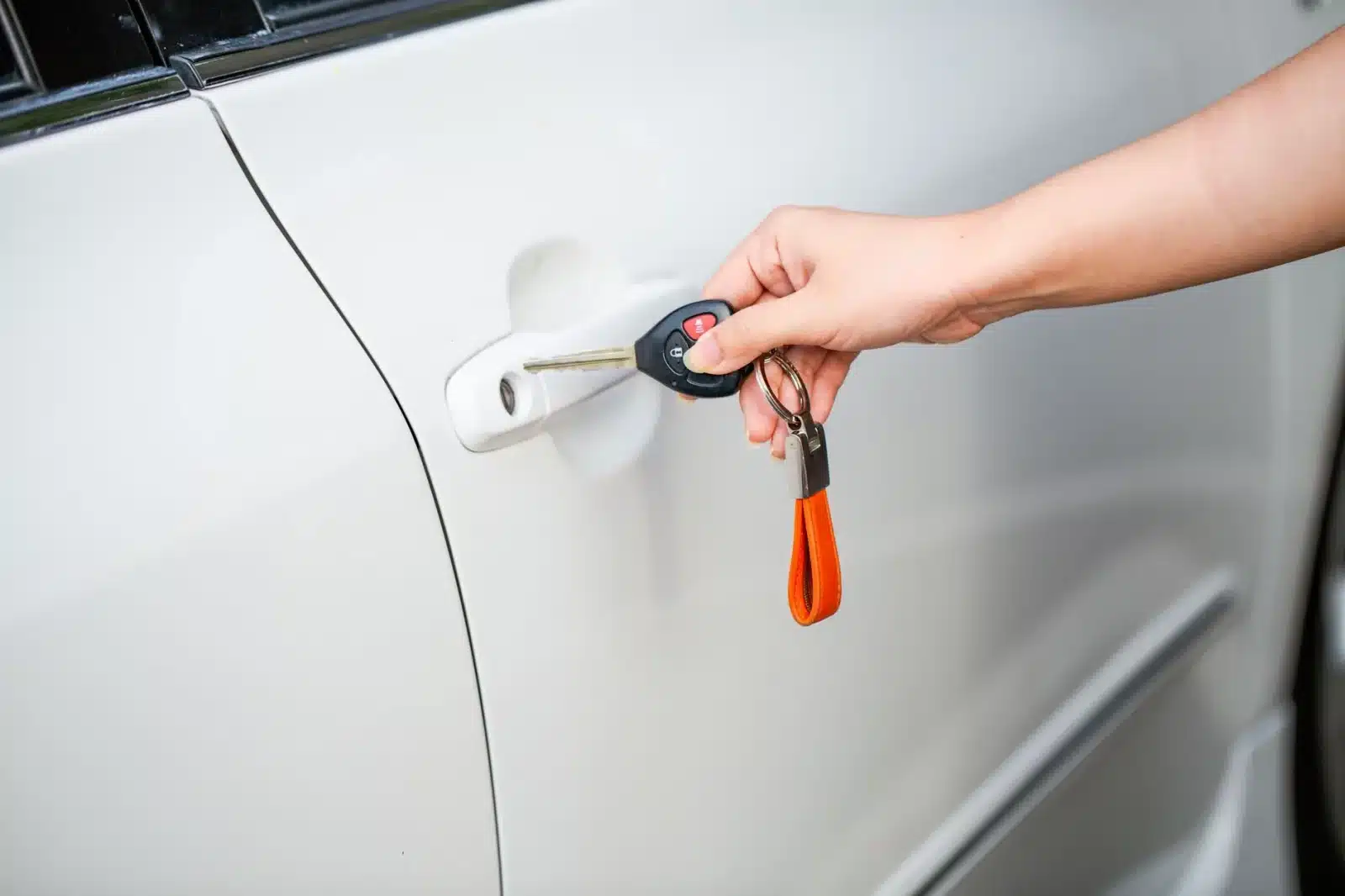
Price comparison: private owner vs professional rental
| Vehicle type | Professional rental (price/day) | Private owner (price/day) | Savings |
|---|---|---|---|
| City car | 55-70 € | 30-45 € | 30-40 % |
| Compact saloon | 80-100 € | 45-60 € | 35-45 % |
| SUV | 110-130 € | 70-90 € | 30-35 % |
Included insurance: what Getaround (and others) really cover
Contrary to popular belief, comprehensive insurance is mandatory and included on platforms like Getaround. Partnering with AXA, it covers:
- Damage to the vehicle, even if the renter is at fault.
- Theft, subject to filing a police report.
- Third-party liability, up to €100 million.
- Repatriation costs in case of an accident.
Bear in mind: your personal car insurance does not cover this type of rental. So, checking with your insurer would be pointless. Only the platform’s coverage applies.
Exclusions to be aware of
- Damage to tyres and rims, unless caused by an accident where you’re at fault.
- Theft of personal belongings left in the vehicle.
- Driving under the influence of alcohol or drugs.
- Use on a racetrack or private circuit.
In case of an accident, an excess of €750 to €1,500 remains your responsibility, depending on the contract.

User reviews: 3 recurring issues
On forums and review platforms, three criticisms come up regularly:
- Variable cleanliness — Some owners don’t clean their vehicle between rentals. One user reported: *« I picked up a car with crumbs in the seats and a stale cigarette smell. Fortunately, the platform refunded the cleaning fee. »*
- Late returns — 15% of delays are caused by previous renters returning the vehicle late. So, allow a 30-minute buffer.
- Meticulous vehicle checks — A 2 cm scratch or a fuel tank not filled to 100% can result in extra charges. So, take photos before and after each rental.
How to avoid unpleasant surprises
- Read recent reviews (less than 3 months old). After all, an owner’s behaviour can change.
- Check for unlimited mileage. Some contracts limit it to 200 km/day.
- Opt for vehicles with a connected box (Getaround). That way, you benefit from keyless entry and GPS tracking.
Alternatives to peer-to-peer rental: Citiz and car-sharing
If the idea of renting from a private owner makes you uneasy, station-based car-sharing services like Citiz offer a reassuring alternative:
| Criteria | Peer-to-peer rental | Citiz (with subscription) |
|---|---|---|
| Price (city car) | 30-45 €/day | 3 €/h + 16 €/month |
| Insurance | Included (excess 750-1 500 €) | Included (excess 500 €) |
| Availability | Variable (depends on owners) | 24/7 booking |
| Mileage | Often limited | Unlimited |
For a one-off trip (less than 4 hours), Citiz is often cheaper. However, for a weekend or longer, peer-to-peer rental remains unbeatable.
Peer-to-peer rental vs PCP/leasing: what’s the difference?
Unlike peer-to-peer car-sharing, PCP (Personal Contract Purchase) and leasing are 2 to 5-year contracts. Here are the key differences:
- PCP — You can become the owner of the vehicle at the end of the contract by paying a residual value. For example, €5,000 for a car rented at €300/month.
- Leasing — Pure rental, with no option to buy. The vehicle is returned at the end of the contract.
- Peer-to-peer rental — No minimum duration (from 1 hour to several weeks), no commitment.
For a one-off need, like a house move or a holiday, peer-to-peer car-sharing is far more flexible. However, for daily use, PCP or leasing may be more advantageous.
5 mistakes to avoid at all costs
- Not checking the tyres — Worn tyres (less than 1.6 mm tread depth) can result in a €135 fine. They may also immobilise the vehicle.
- Forgetting to fill up — Some owners charge up to €2 per litre if the tank isn’t full on return.
- Ignoring zone restrictions — Some cities, like Paris or Lyon, restrict access to vehicles with Crit’Air 3 stickers or higher. So, check the vehicle’s sticker before booking.
- Not taking before/after photos — In case of a dispute over a scratch or damage, photos are evidence. Take shots from multiple angles.
- Renting without comparing insurance — Not all platforms offer the same cover. Getaround includes 24/7 assistance, which isn’t always the case elsewhere.
Our verdict: who is peer-to-peer car rental for?
✅ Ideal for:
- One-off trips, like weekends or house moves.
- Tight budgets. After all, savings can reach 30 to 50% compared to a professional rental. \n
- Drivers comfortable with digital tools. Booking and unlocking are done via an app.
❌ Avoid if:
- You need a vehicle immediately. The booking process can take time.
- You’re particular about cleanliness. There’s a risk of picking up a poorly cleaned vehicle.
- You often drive in cities. Parking can be tricky.
In short, peer-to-peer car rental is an excellent solution if you’re open to a bit of unpredictability. For greater peace of mind, compare Getaround and Ouicar before making your choice.