Motorhome Gas Safety: Regulations and Best Practices
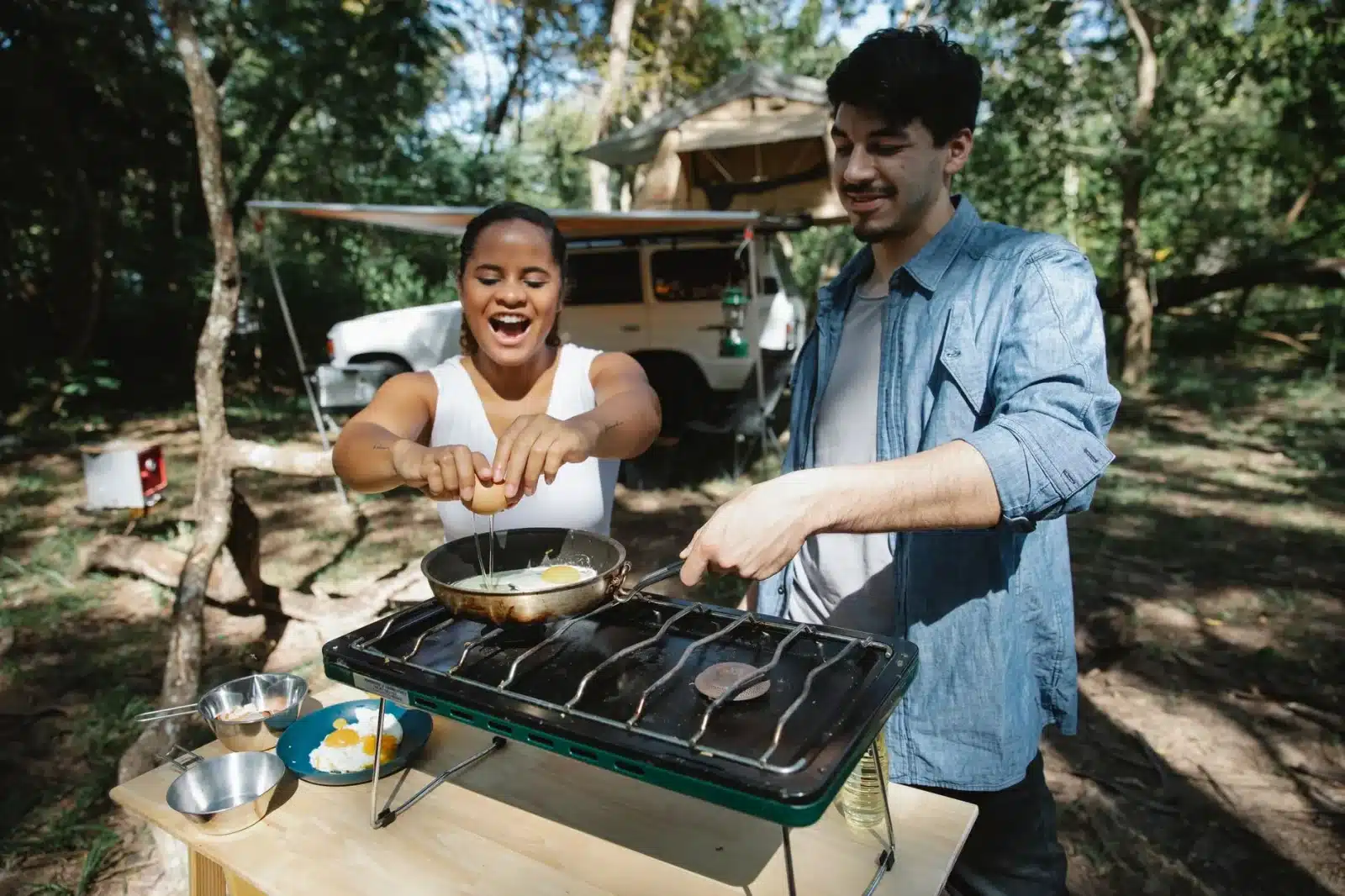
A motorhome or converted van often relies on gas for cooking, heating or producing hot water. But this independence comes at a cost. Gas remains a pressurised, flammable fuel that can be dangerous if mishandled. Here’s what the law says, and how to apply it on the road for a family road trip or getaway with friends without any nasty surprises.
1. Which gas cylinders are permitted in motorhomes?
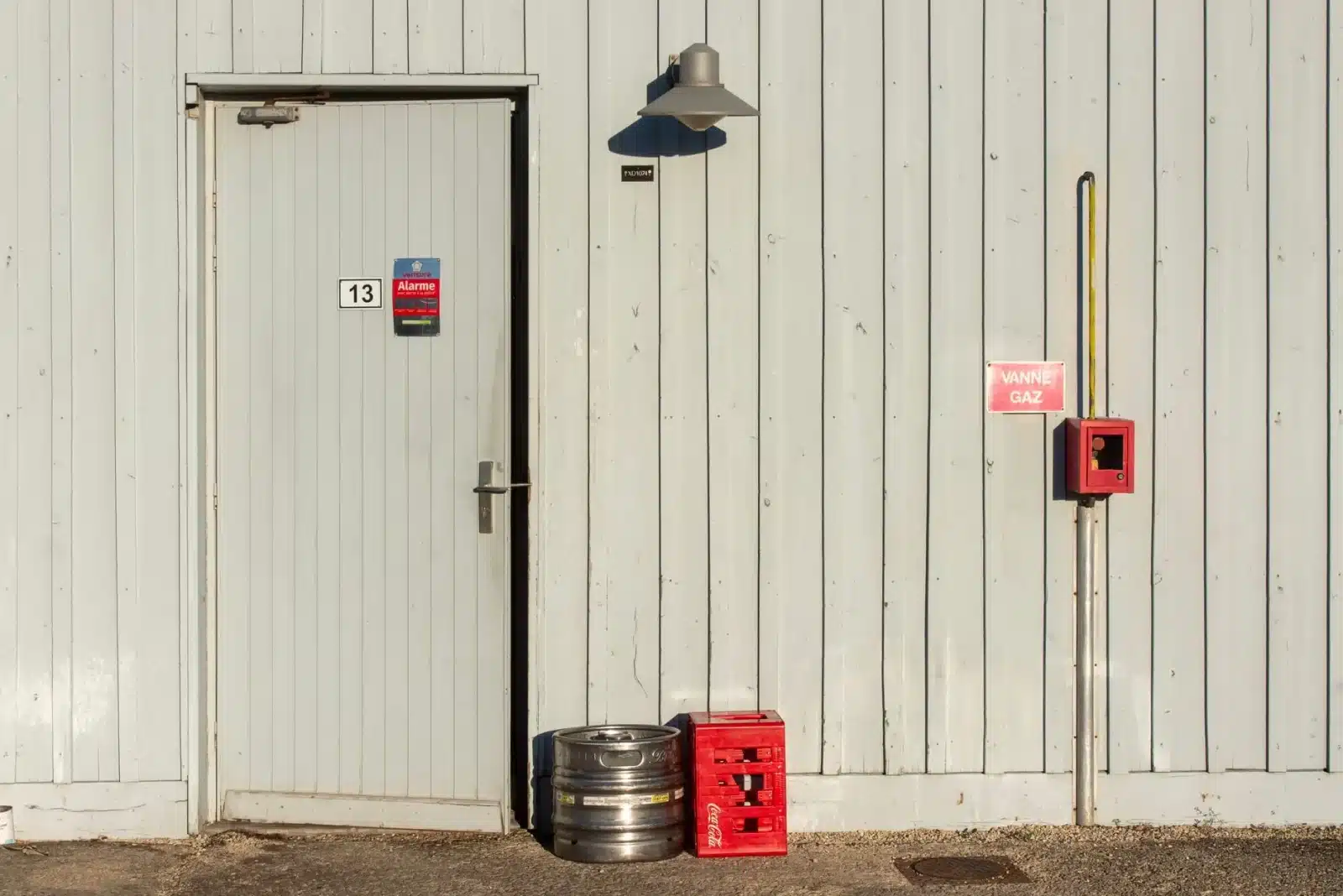
In France, only gas cylinders designed for leisure vehicles are permitted on board. They must meet several strict criteria:
- European approval: marked EN 12807 with a safety valve to limit pressure in case of overheating.
- Vibration resistance: models such as Butagaz 13 kg, Primagaz 13 kg or Antargaz 13 kg are designed to withstand bumps while travelling.
- Domestic cylinders banned: 35 kg propane cylinders (for fixed use) are prohibited in motorhomes. They don’t withstand impacts and pose a risk in case of rollover.
Gas is stored in a dedicated locker, ventilated to the outside and isolated from the living area. This locker must be airtight, with a low ventilation hatch to release any leaks. Propane is heavier than air, after all.
1.1 Can you use a gas cylinder bought abroad in France?
Yes, but with an adapter. Cylinders bought in Spain, Germany or Italy are permitted if they comply with the EN 12807 standard. However, their valve must be compatible with French regulators. Connections often differ, such as in Spain where the threading is reversed.
To avoid leaks, have your cylinder refilled at an approved French station. The list is available on Antargaz or Butagaz websites.
2. Detecting a gas leak: warning signs
A gas leak in a motorhome can cause carbon monoxide (CO) poisoning or an explosion. Here’s what to watch for:
- Rotten egg smell: mercaptan added to gas makes it detectable. Never ignore it.
- Hissing near connections: a faulty seal or cracked hose may be leaking.
- Detector light on: recent models trigger a visual and audible alarm.
- Difficulty lighting appliances: low pressure may indicate a leak.
2.1 What to do if you suspect a gas leak
If you suspect a leak:
- Turn off the gas supply immediately.
- Ventilate the living area by opening doors and windows.
- Avoid sparks: don’t touch any electrical switches.
- Leave the vehicle until the smell has completely dissipated.
- Have the installation checked by a professional before using it again.
3. Mandatory and recommended safety equipment

To travel safely, here’s the equipment you should have. Some is mandatory, while other items are strongly recommended.
| Equipment | Mandatory? | Purpose |
|---|---|---|
| Gas detector | Yes (since 2021) | Detects propane/butane leaks and triggers an alarm. Source: Matmut |
| CO detector | Yes (if gas heating) | Detects carbon monoxide, an odourless and deadly gas. |
| Approved hose | Yes | Must bear the NF D 36-121 mark and be replaced every 5 years. |
| Safety valve | Yes | Cuts off the gas supply in case of overpressure or hose rupture. |
| Ventilated gas locker | Yes | Must be airtight and ventilated to the outside. |
Other equipment, though not mandatory, improves safety:
- Anti-theft device for cylinder: secures the cylinder in its locker.
- Gas filter: protects appliances from impurities.
3.1 Where to install a gas detector
Install the detector less than 30 cm from the floor, near the gas locker. Avoid heat sources or draughts. Some connected models send an alert to your smartphone if a leak occurs, even when you’re away.
4. Inspections and maintenance: what the regulations say
In France, the gas installation in a motorhome must be inspected every three years. This rule applies to vehicles over 3.5 tonnes (maximum authorised mass). For others, an inspection is strongly recommended before a long trip.
Here’s what’s checked during the inspection:
- Circuit tightness (pressure test).
- Condition of hoses and connections.
- Operation of safety valves.
- Ventilation of the gas locker.
A compliance certificate will be issued after the inspection. Keep it safe—it may be requested during a roadside check or in case of an accident.
4.1 Winter storage: how to prepare your gas installation
Before storing your motorhome for winter, follow these key steps:
- Drain the cylinder to prevent corrosion.
- Disconnect the hose and store it in a dry place.
- Check the gas locker’s airtightness and clean it.
- Test the detectors (gas and CO) and replace batteries if needed.
- Protect appliances with covers to guard against moisture.
For more details, see our Maintenance & Winter Storage guide. For a full winter storage checklist, follow our detailed advice.
5. Gas in motorhomes: mistakes to avoid
A few common mistakes can compromise your safety:
- Storing a spare cylinder in the living area: even when empty, it must stay in the dedicated locker.
- Using an expired hose: a hose has a maximum lifespan of 5 years. Check the date stamped on it.
- Ignoring a gas smell: even a minor leak can worsen. Act immediately.
- Skipping inspections: a motorhome left unused for months may develop leaks. Have the installation checked before setting off again.
By following these rules, you can enjoy your motorhome with complete peace of mind. Whether for a weekend in the mountains or a tour of Europe, safety comes first.